

Start With the Right Mirror for the Room
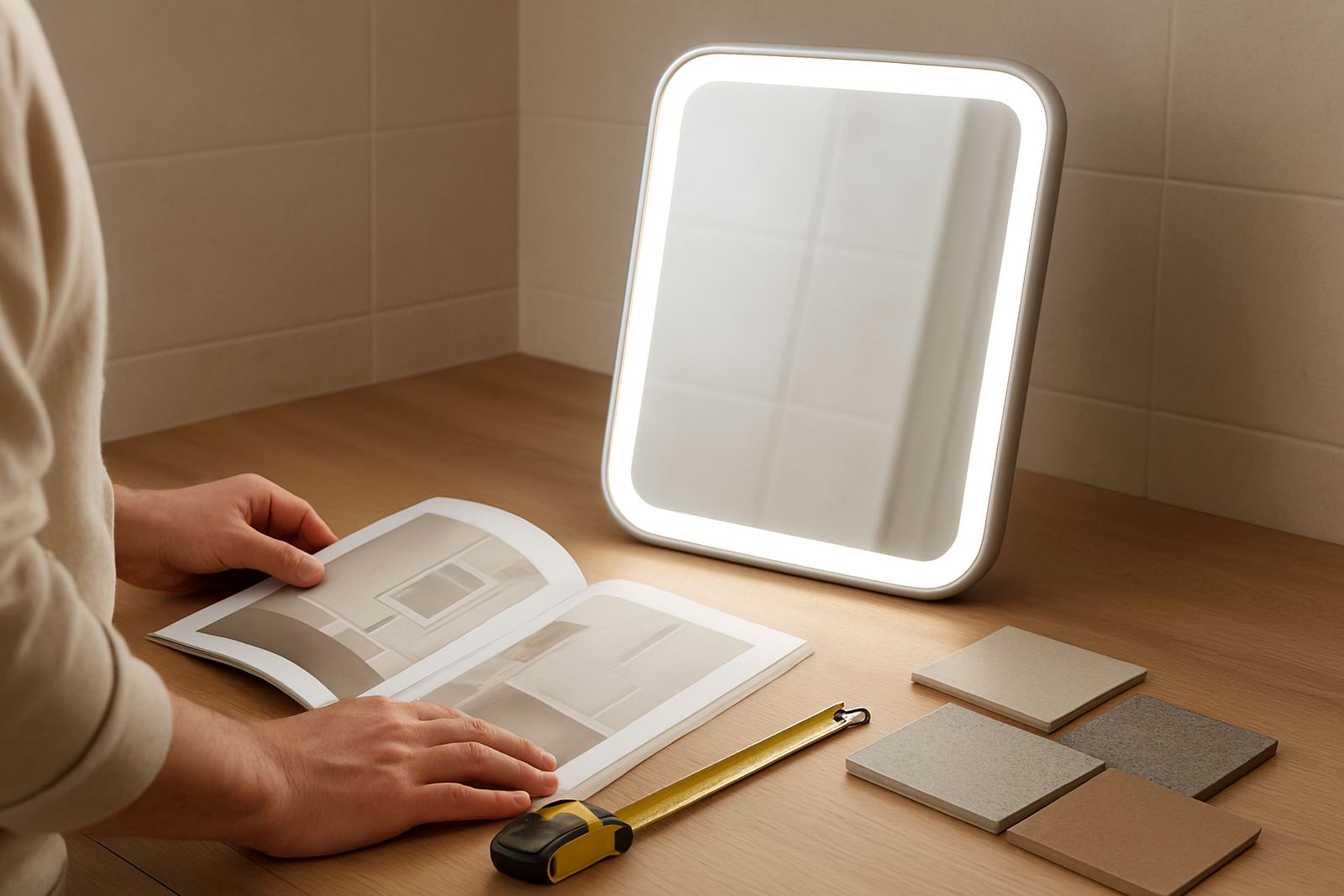
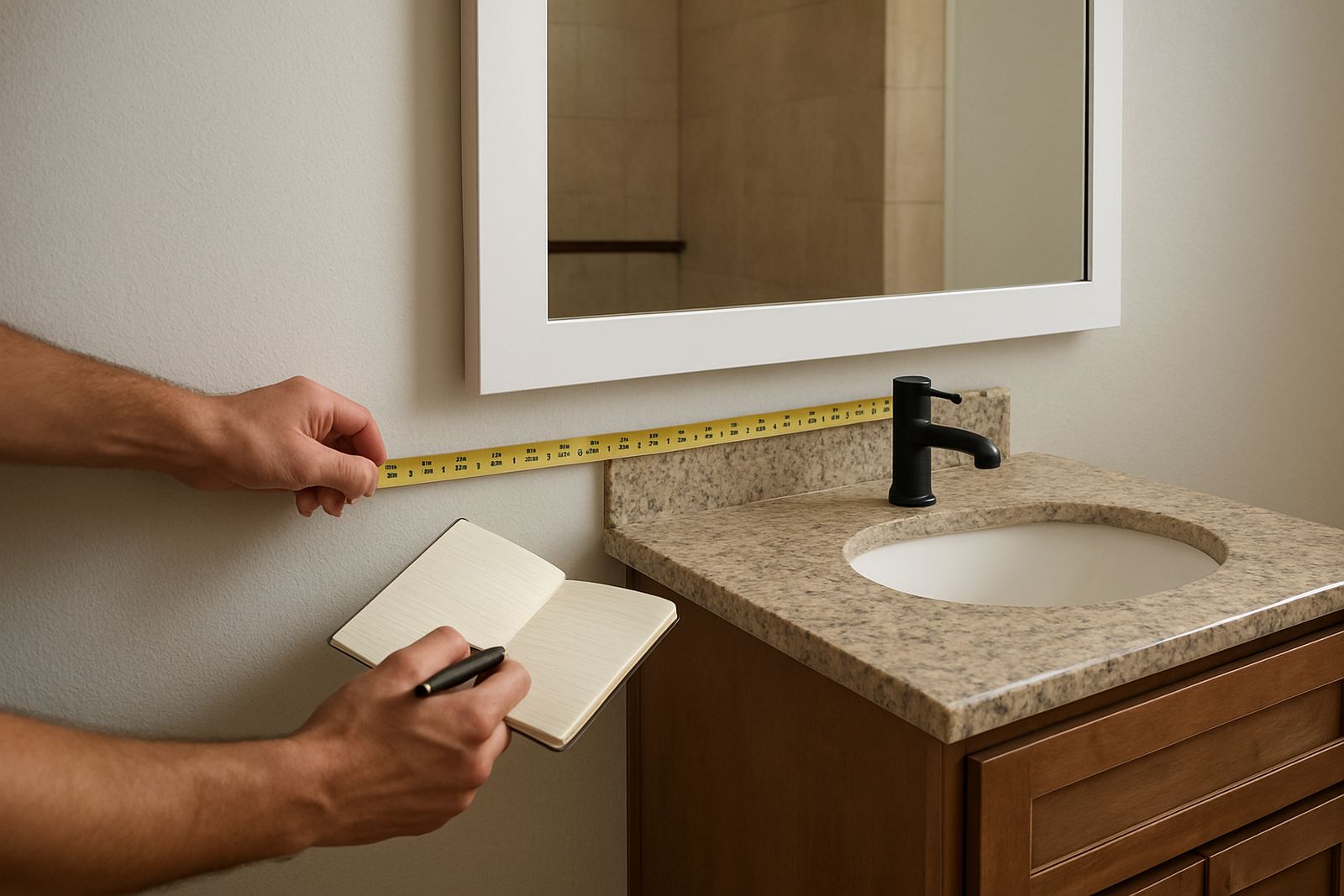
Choosing an LED mirror starts with the room, not the product photo. A compact guest bathroom in Pinetown needs a different size and light output from a main ensuite in Umhlanga, and a vanity in Ballito may need stronger illumination because of natural light and coastal humidity. Measure the wall, check basin width and allow space for tile joints, shaving points and switch access.
For most homes, the mirror should sit comfortably above the basin without crowding the tapware or splashback. If you are replacing an older unit, keep an eye on existing electrical points and whether the wall can take the fixing points cleanly. A proper site check saves time later and avoids a messy rework.
- Measure wall width and available height in millimetres
- Check where the light switch and power point already sit
- Allow for tile lines, wall mirrors and towel rails
- Decide if the mirror is for daily grooming, makeup or general feature lighting
Understanding Light Output and Colour Temperature
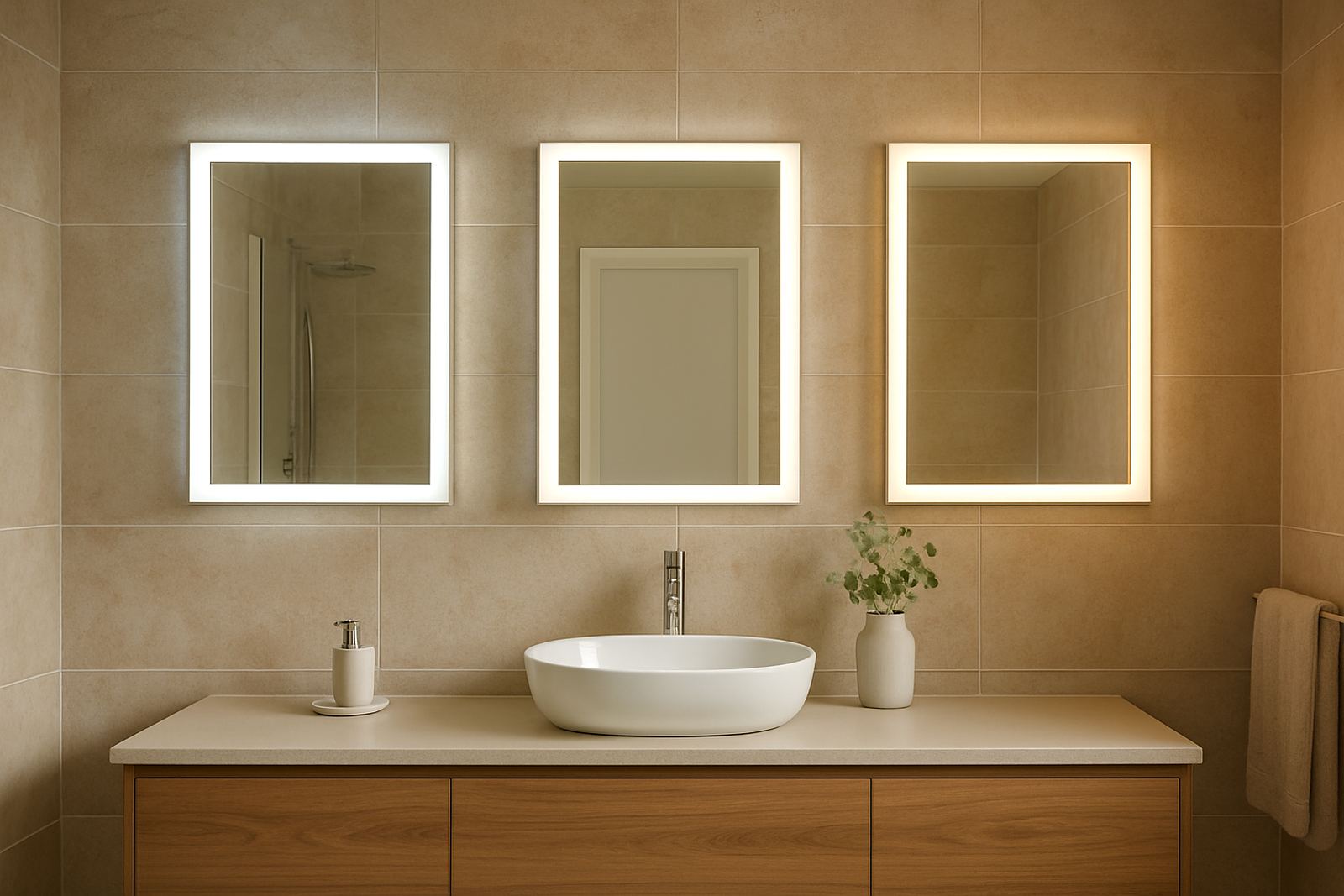
LED mirrors can look very different once they are switched on. Cooler light helps with detail work, while a softer tone feels more relaxed for evening use. In Durban homes, many clients prefer a balanced light that works well in the morning and still looks calm at night when load-shedding is in play. If the room has very little daylight, stronger lighting can make a real difference.
Ask how the light is spread across the face. Uneven brightness can cause shadows under the eyes or around the jaw line. Good guides look at usable light rather than just wattage. In a vanity area, the aim is clear reflection without glare, especially where tile and glass surfaces bounce light around.
- Cooler light suits close grooming and detail tasks
- Warmer light suits softer evening use
- Even light spread reduces harsh facial shadows
- Dimming can help in mixed-use bathrooms
Electrical Safety and Installation Points
Bathroom lighting needs careful planning, especially where moisture, steam and cleaning sprays are part of daily use. Before installation, check whether the mirror will be hardwired or connected through an approved point, and confirm what the electrician will need on site. For coastal areas like Durban North and Umhlanga, fixing quality and moisture resistance matter just as much as the finish.
We always suggest that electrical connection is handled properly and that the mirror is mounted on a sound wall. Loose plaster, uneven tiles or a weak backing board can cause problems later. It is also worth checking what happens after a power cut, because some bathrooms need a simple setup that returns to use quickly, with no fuss.
- Confirm the power point position before tiling is finalised
- Check moisture resistance for bathrooms and enclosed vanities
- Use suitable wall anchors for tiled or masonry walls
- Make sure access for future servicing is still possible
Size, Shape and Frame Choices for South African Homes
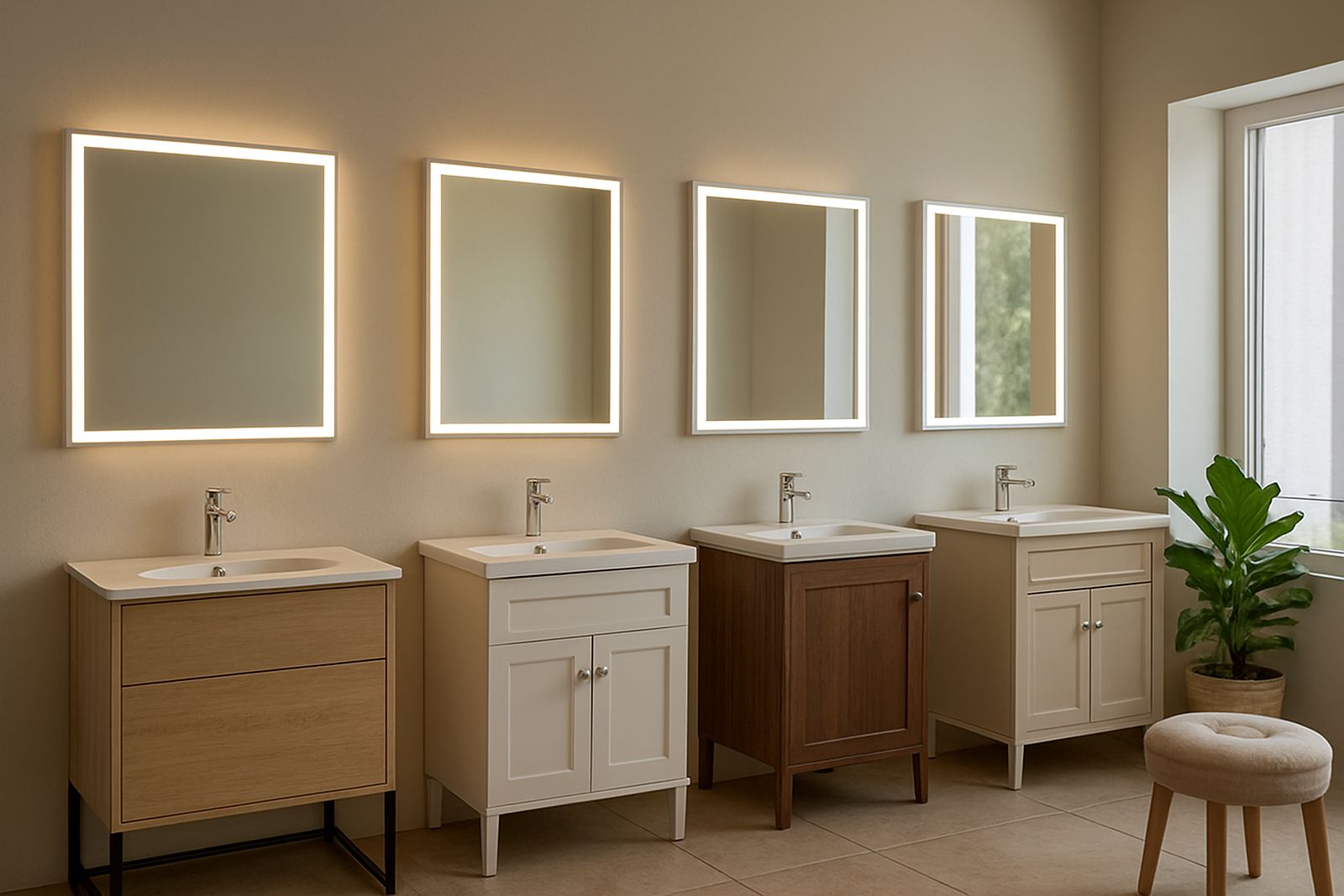
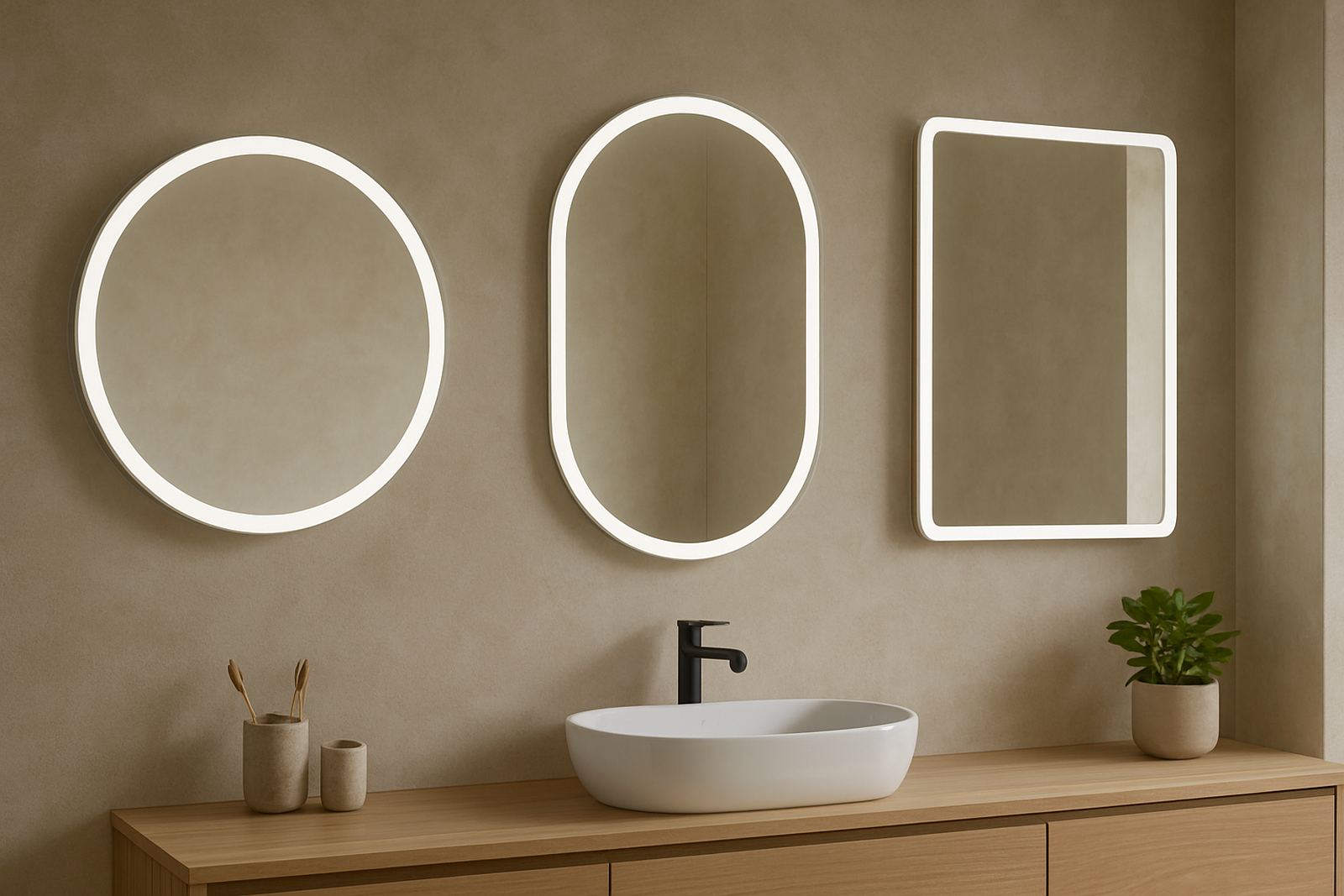
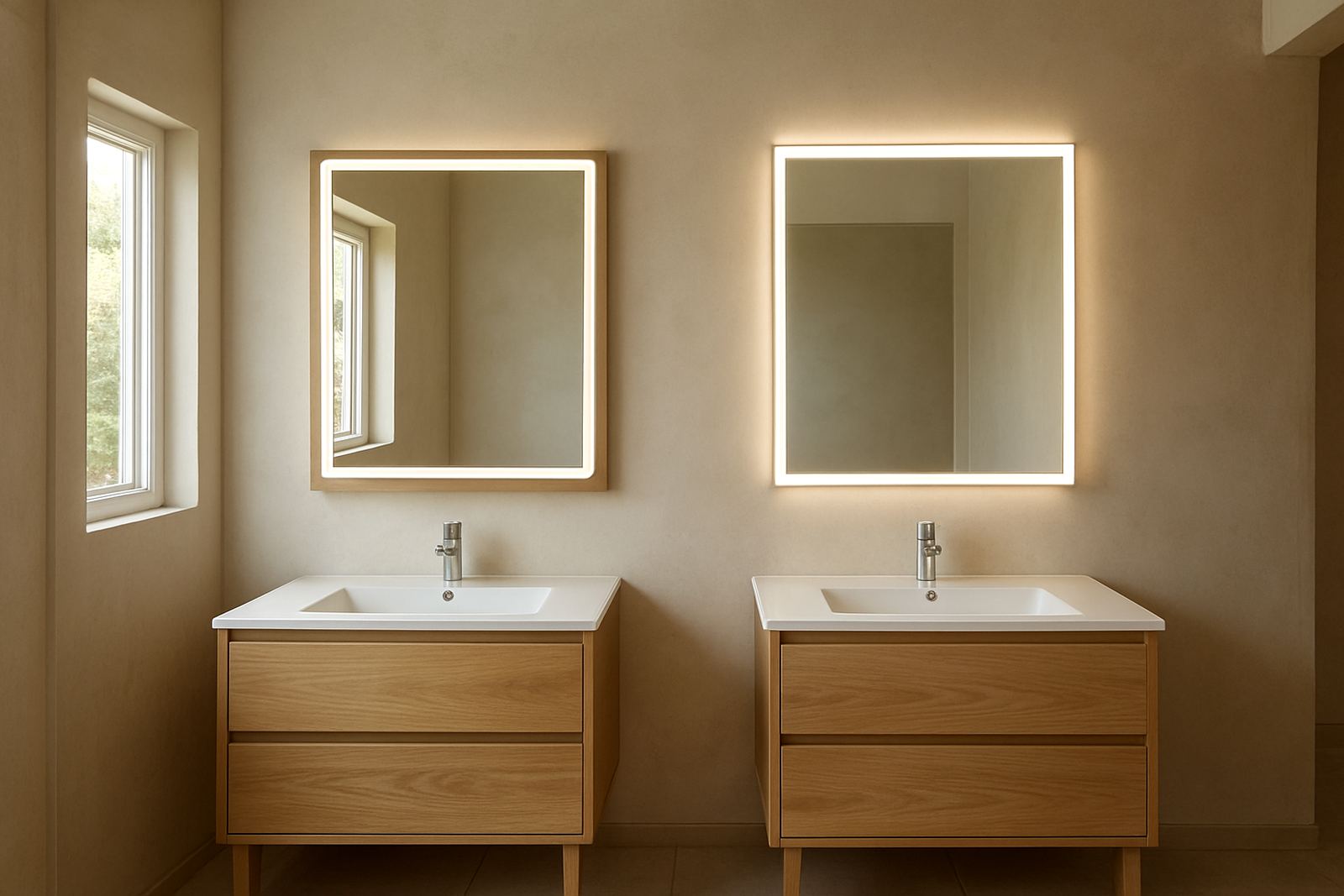
Round, rectangular and bespoke mirrors each suit different spaces. A wide rectangular mirror often works best above a double vanity, while a round mirror can soften a smaller room and add balance where the tiles are very angular. The frame detail should match the room without fighting it, whether the finish is plain, brushed or more decorative.
Think about the scale of the room and the fittings around it. A mirror that is too small can look lost, while one that is too large can overpower the basin. In Hillcrest and Westville homes, we often see better results when the mirror ties in with tapware, vanity colour and the room’s ceiling height.
- Rectangular mirrors suit wider vanities and family bathrooms
- Round mirrors work well in compact spaces
- Custom sizes help with awkward wall widths
- Frame finish should match other bathroom fittings
Demisters, Repairs and Long-Term Care
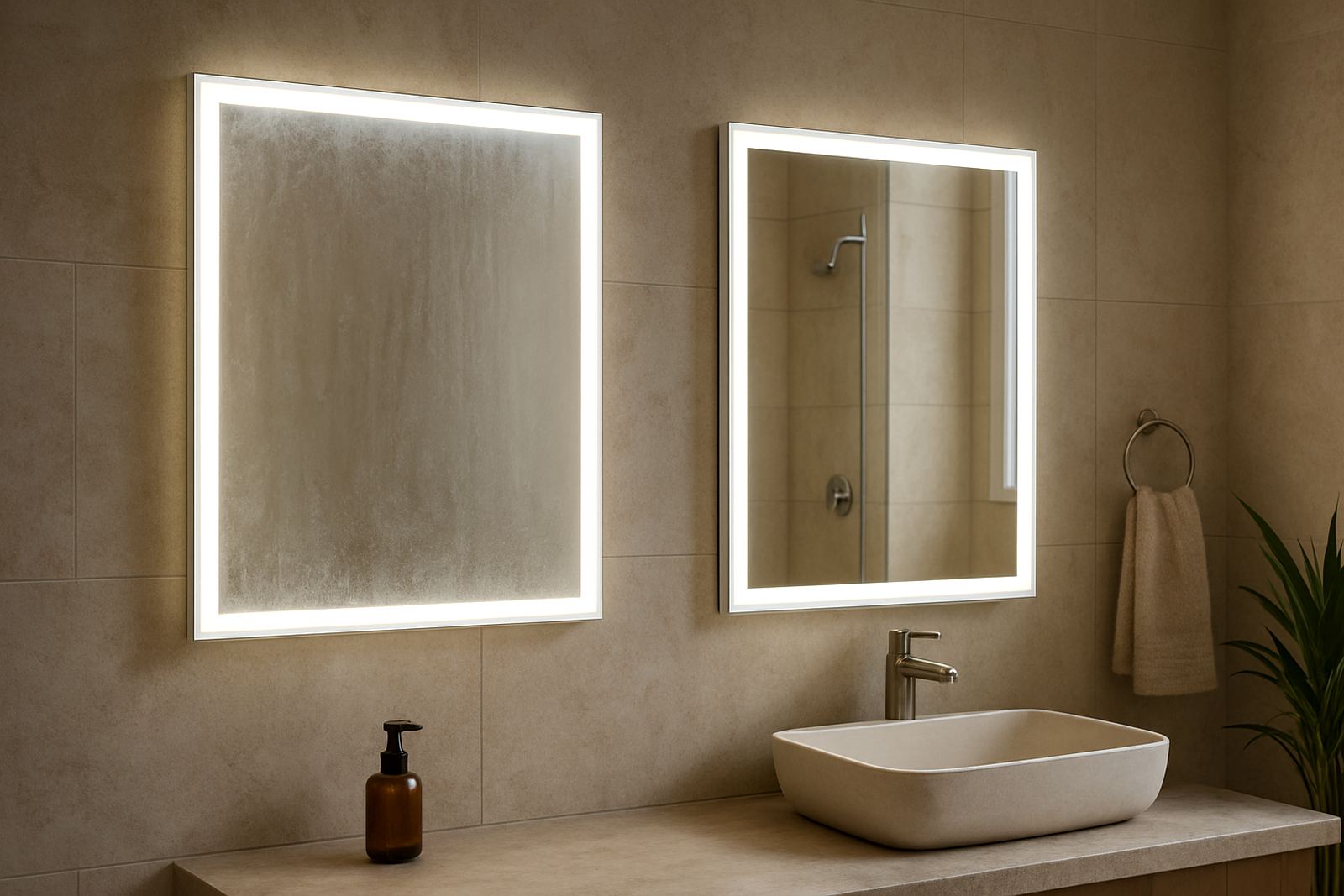
Demisters are worth considering if your bathroom steams up after showers. They help keep the reflective surface usable on busy mornings, especially in colder months or in homes where several people share one bathroom. If a unit already has a misting issue or flickering light, it may need servicing rather than replacement, and that can save money.
Simple care also goes a long way. Wipe the surface with a soft cloth and avoid harsh cleaners that can mark edges, backing and wiring points. In humid coastal areas, check seals and fixings from time to time. Small checks now prevent bigger problems later, and it keeps the mirror looking clean and working as it should.
How to Prepare for Measurement and Fit-Out
Before a site visit, have the room as complete as possible. If the vanity is not yet fitted, tell us the final size and basin position. If tiles are already on, make sure measurements are taken off the finished wall not the raw opening. That one step avoids a lot of costly guesswork.
For bulk projects and home upgrades alike, clear communication helps the process move faster. Share your location, photos of the wall, and any concerns about wiring, switch positions or municipal rules where applicable. Our team in Pinetown supports bathroom fit-outs nationwide, with practical help from measurement through to aftercare.
- Send room photos and rough dimensions before the visit
- Confirm if the wall is tiled, painted or still open
- Note any nearby plugs, switches or plumbing points
- Plan for access during installation day