How a demister pad works behind the mirror
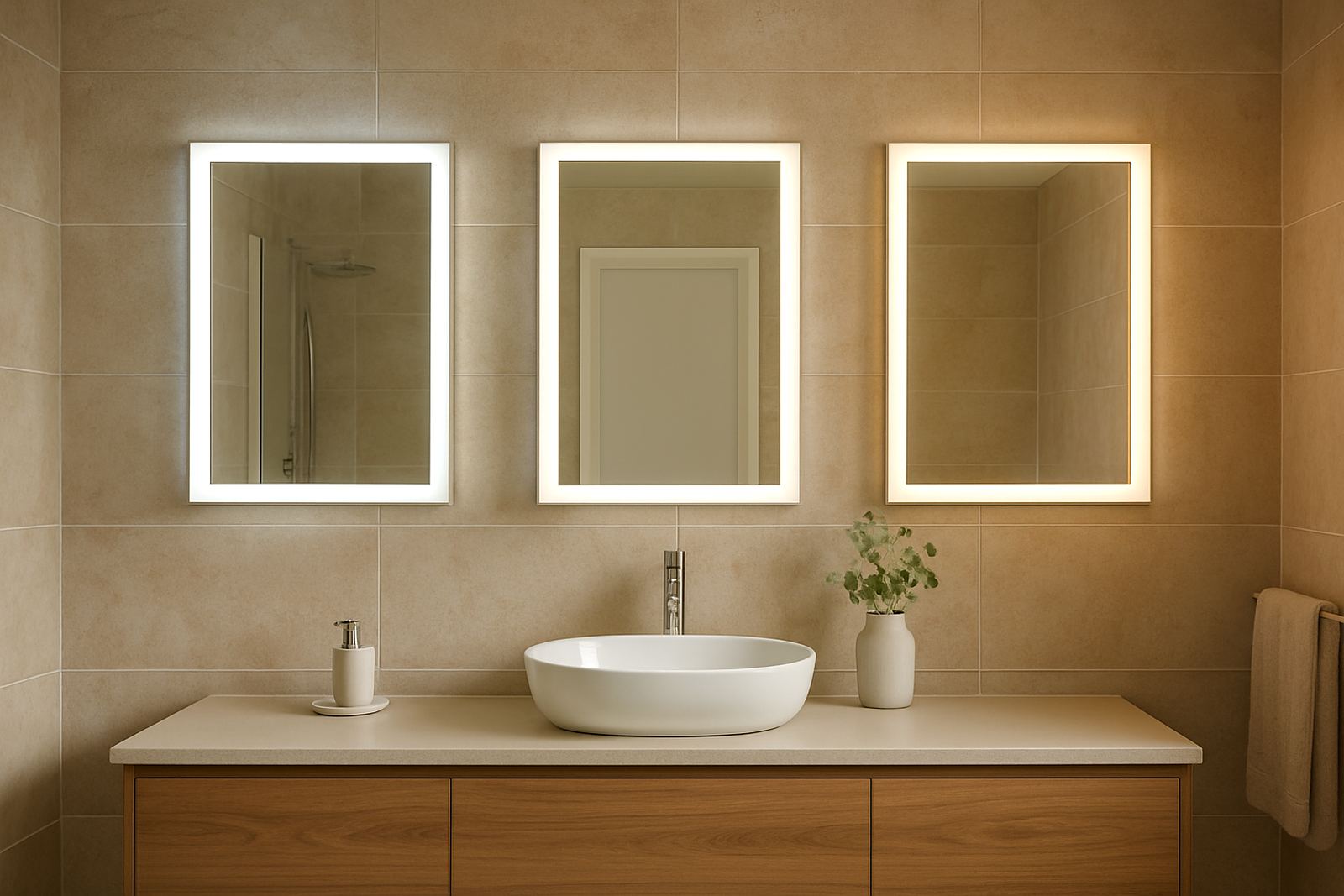
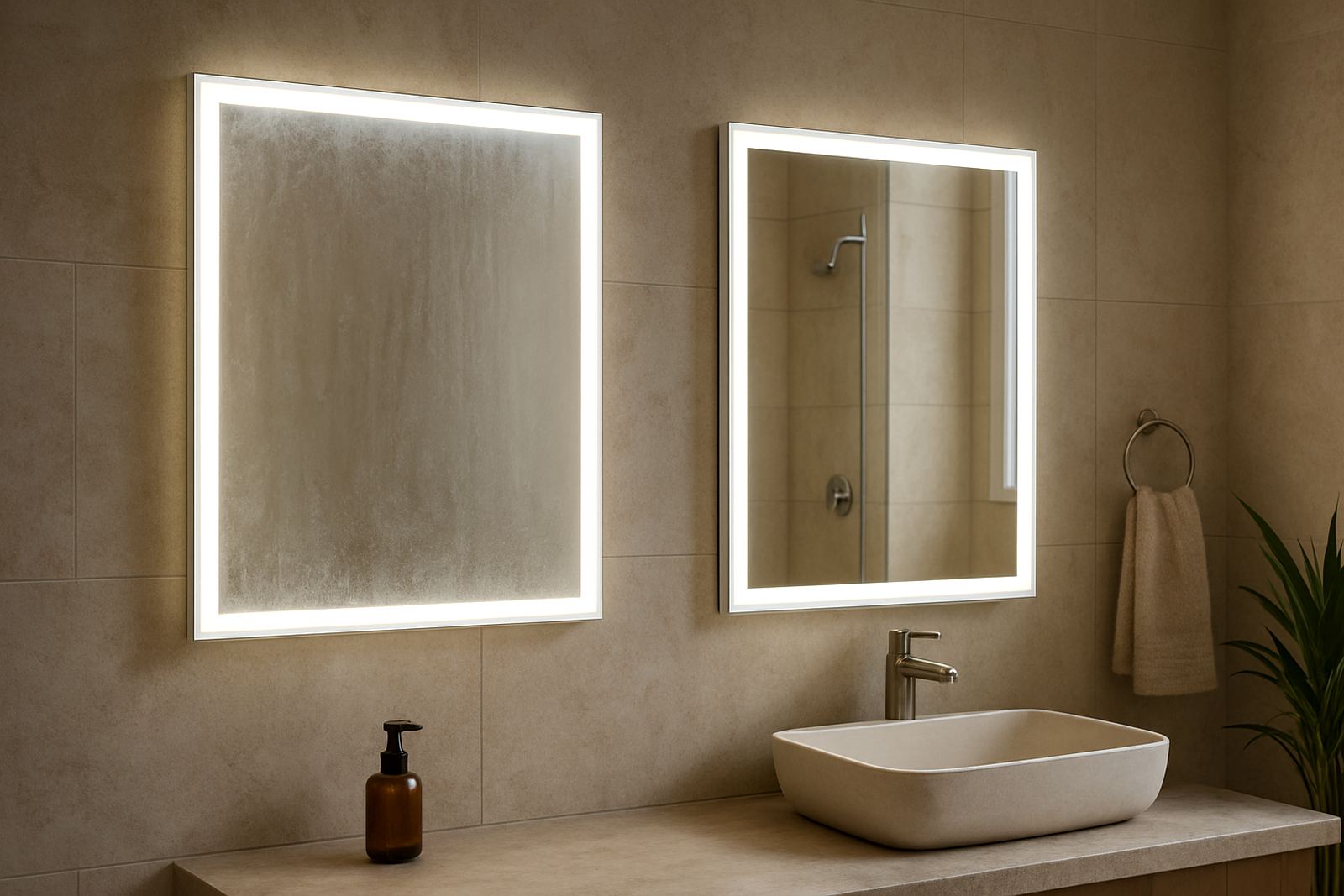
A demister is usually a heating pad fixed to the back of the mirror glass. When switched on, it warms the glass enough to reduce condensation, so the reflective surface clears more quickly after bathing or a shower. In practical terms, it is not heating the whole room, only the mirror area you need for shaving, makeup or a quick check before work.
For busy family bathrooms and guest bathrooms, this is one of the most useful upgrades you can add. In coastal areas like Durban North, Umhlanga and Ballito, where moisture hangs around longer, the difference can be noticeable. If your bathroom is used back to back in the mornings, a demister saves time and avoids wiping the glass with a towel, which often leaves marks.
- Best for high-use bathrooms with showers used early in the day
- Useful in humid areas and enclosed bathrooms with limited ventilation
- Works well with LED-lit mirrors where clear visibility matters
Choosing the right size and coverage area
Not every mirror needs full-surface anti-fog coverage. The right size depends on how the bathroom is used and how much of the mirror must stay clear. For a single vanity, a smaller central pad may be enough. For a wide family mirror or double basin, a larger pad gives better coverage, especially if two people are getting ready at once.
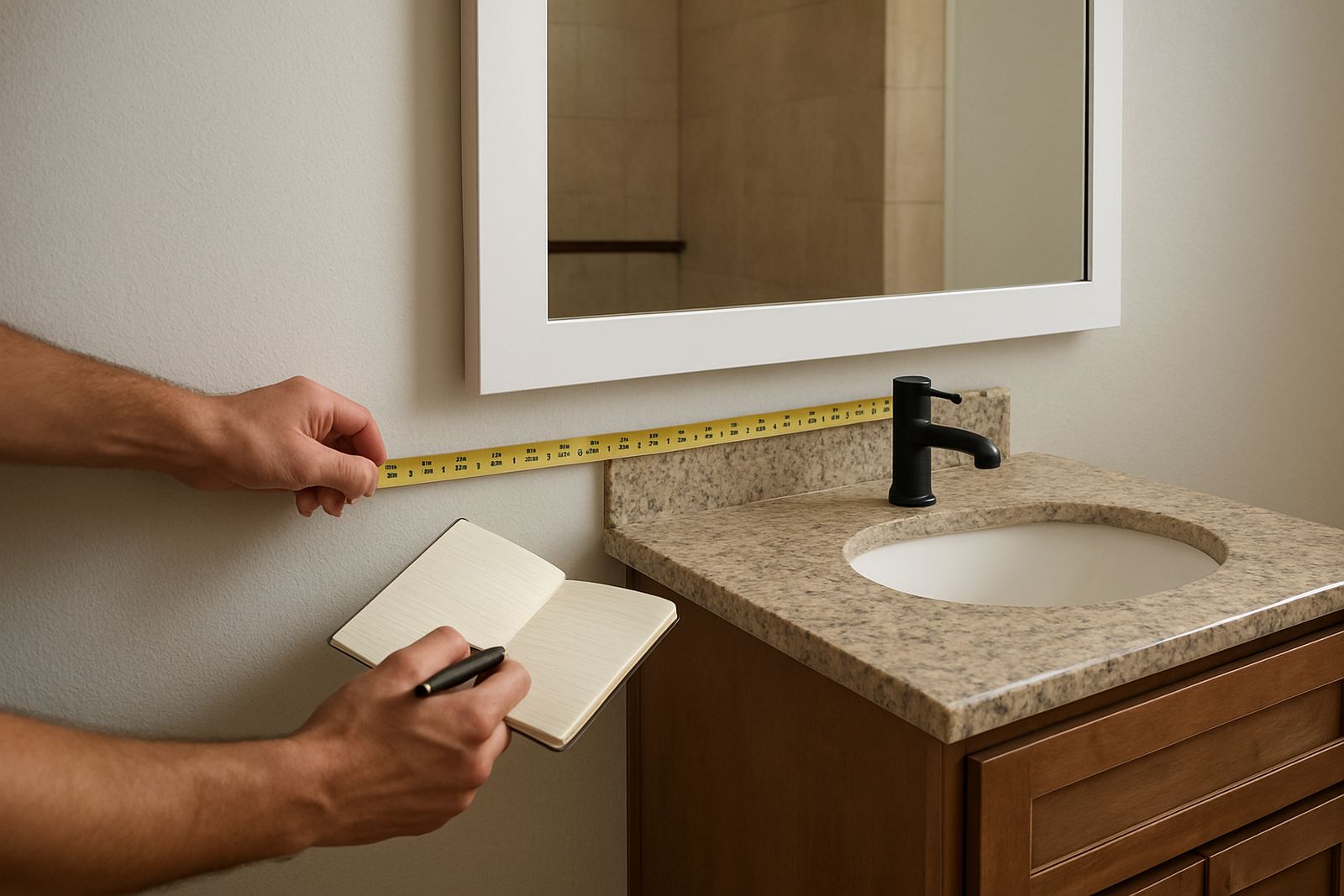
When planning, check the mirror size in millimetres and think about where your face sits when standing at the basin. A pad that is too small can leave the corners cloudy, while one that is too large may use more power than needed. The aim is to clear the area you actually use, not just the centre panel.
- Measure the mirror width and height before ordering
- Mark the eye level and wash basin position
- Allow for tap height, wall lights and power point placement
Wiring, switches and load-shedding planning
Demisters need proper electrical connection, so it helps to plan the wiring with the mirror fit-out, not after tiling is complete. A clean installation should allow the electrician to route the cable neatly and connect it to a suitable switch or circuit. If you are combining the demister with LED lighting, ask for a setup that keeps both functions easy to use.
In South Africa, load-shedding also changes how people use bathroom fittings. A demister is a small load, but it still needs to be wired correctly with safe isolation and the right controls. If your home or project uses timers, motion sensors or separate light circuits, confirm how the mirror will behave when power returns. Good planning avoids confusion for the user later.
- Confirm whether the demister is controlled separately from the light
- Check that the wall point and cabling are ready before installation day
- Make sure the electrician understands the mirror position and fixing method
Humidity, ventilation and where demisters make the most sense
Anti-fog features are not only about comfort. They also work better when the room itself is designed properly. Bathrooms with weak extraction, closed windows or long steam retention put more pressure on every surface. In those rooms, a demister becomes less of a luxury and more of a practical tool.
If the bathroom is near the coast, or used after early showers on cold mornings inland, condensation builds quickly. A demister will not replace ventilation, but it supports it. For best results, keep extractor fans, windows or louvre vents working properly and avoid placing the mirror where steam collects directly from the shower.
- Prioritise demisters in sealed bathrooms with poor airflow
- Useful in homes with several morning users and limited time
- Helps in coastal humidity and during winter when steam lingers longer
Step-by-step checklist before you place the order
A careful check at the start prevents delays during the fit-out. Use this list before you confirm sizes or hand the job over to an installer. It applies to new bathrooms, vanity upgrades and mirror replacement jobs where the old mirror is being swapped out for a heated option.
- Measure the wall space, basin width and mirror height in millimetres
- Confirm if you want a demister on one mirror or on both mirrors in a double vanity
- Decide if the mirror needs LED lighting as well as anti-fog support
- Ask where the switch will go and who will do the electrical connection
- Check the wall finish, tile layout and fixing points before drilling starts
- Confirm whether the bathroom is a private home, guest bathroom or a project with multiple units
If you are ordering for a renovation in Hillcrest, Westville or anywhere beyond Durban, it also helps to send clear photos of the space. That gives the supplier and installer a better read on access, wall structure and final placement. A few minutes of planning can save a second visit later.
Care, repairs and when servicing is needed
Demisters are low maintenance, but they still need attention if the mirror stops clearing evenly or takes too long to warm up. In a busy household, the first sign of trouble is usually a patch that stays misted while the rest clears. That can point to a worn heating pad, a wiring issue or damage from previous work on the wall.
Do not use harsh abrasives on the mirror face or flood the edges with cleaning liquid. Keep the glass clean with a soft cloth and a mild cleaner. If the bathroom is being repainted or retiled, protect the mirror and cabling from dust and moisture. In many cases, a proper inspection will show whether the unit needs a component repair, a new connection or full replacement.
- Report uneven heating or slow clearing early
- Keep moisture away from exposed cables and switches
- Schedule servicing if the mirror is part of a larger vanity upgrade
What we look at on site in Pinetown and beyond
For bathroom fit-outs across Durban, Pinetown and nationwide projects, the main aim is to match the demister to the mirror, the room and the way the bathroom is used. We look at site measurements, fixing points, electrical access and how the mirror sits with the basin, tiles and lighting. If the job is for a home, townhouse, apartment block or a bulk project, the same practical checks apply.
Our team can assist with mirror installation, electrical connection, vanity upgrades, replacement work, demister servicing and custom design help. That includes projects in Pinetown, Durban North, Umhlanga, Ballito, Hillcrest and Westville, as well as supply for bathrooms further afield. If you are comparing options, ask what is included, how the switch will work and what aftercare support is available after the unit is in place.