Framed or frameless: what the two styles change in daily use
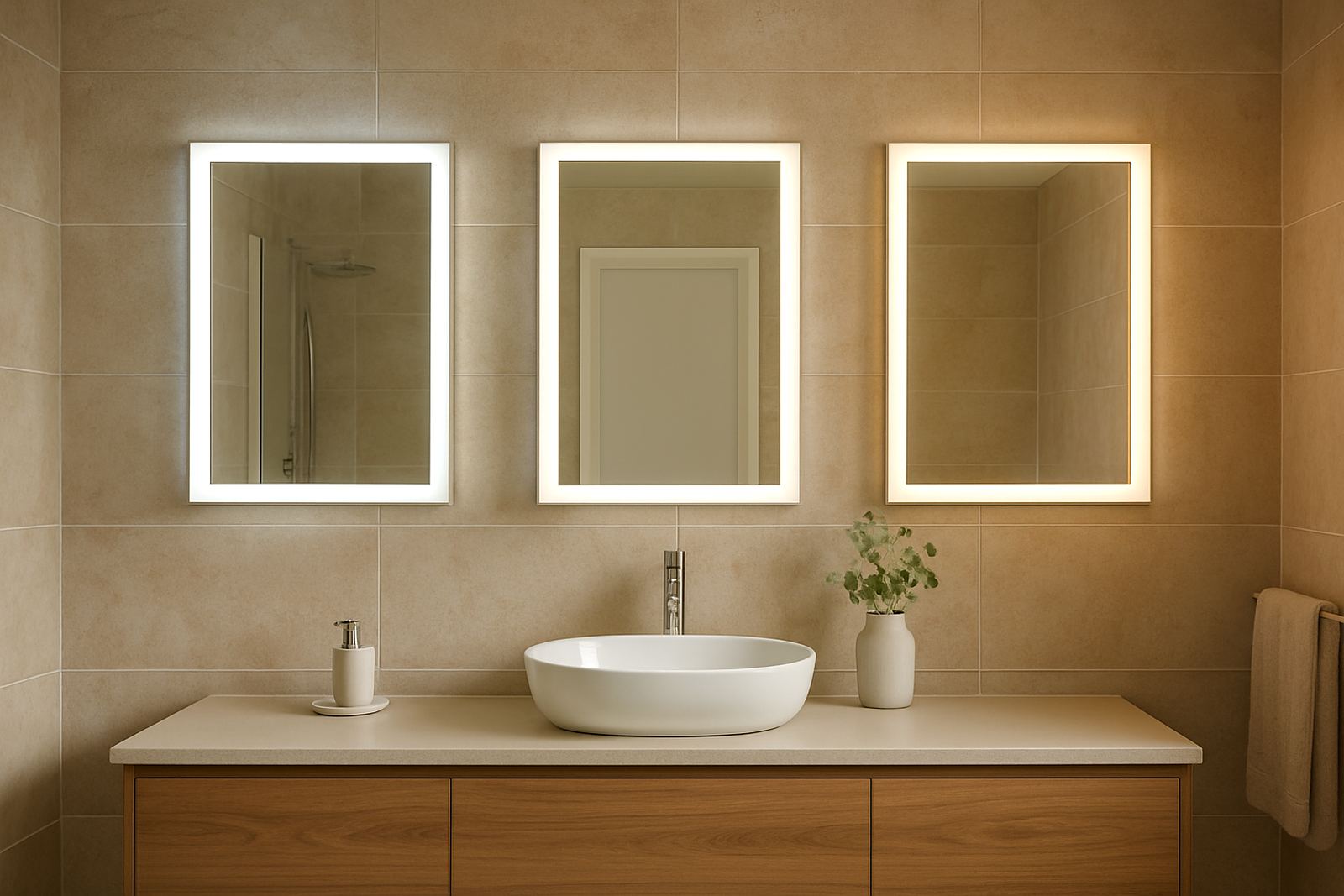
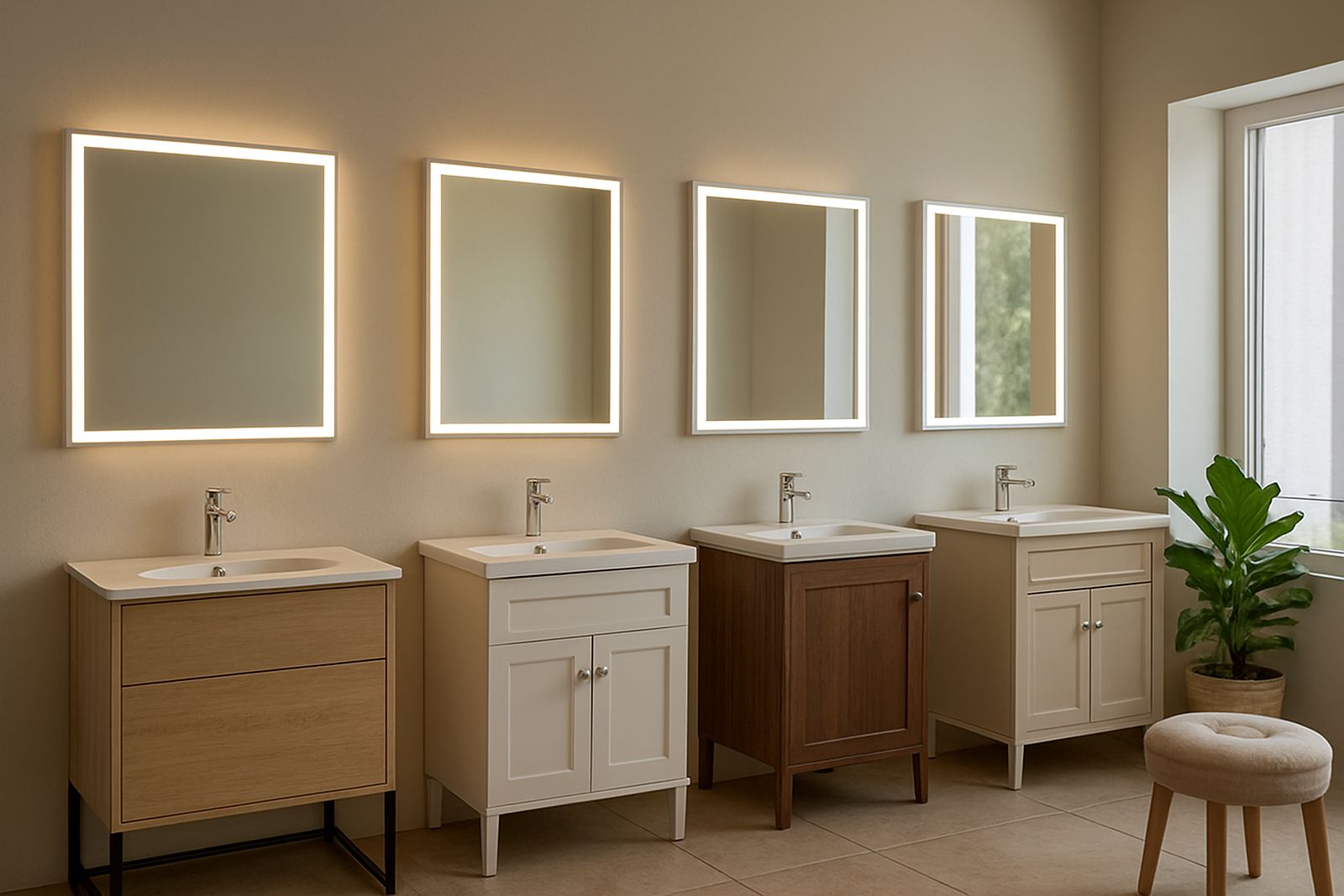
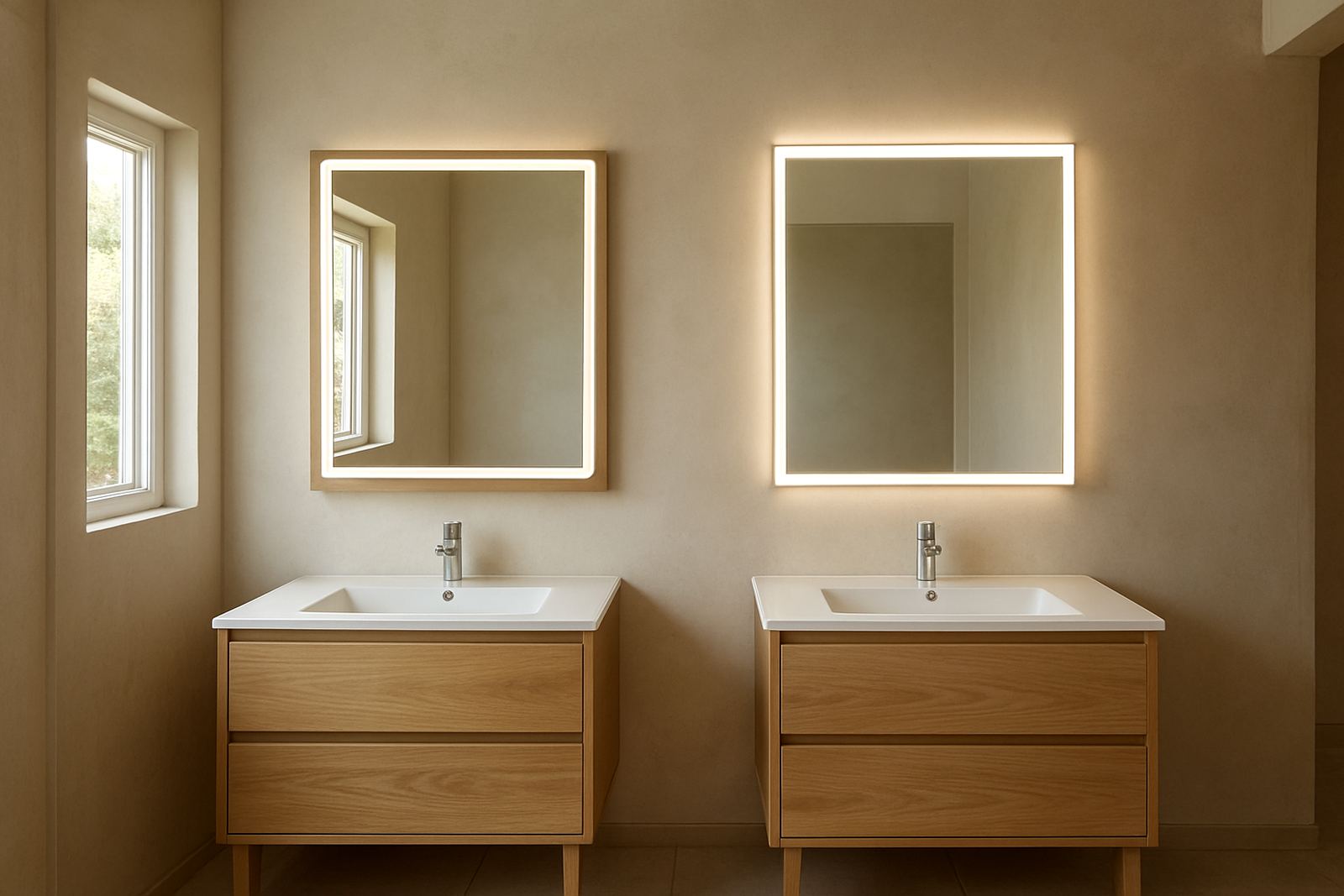
A framed LED mirror has a visible border around the glass, usually used to add definition and finish. A frameless mirror keeps the edge clean and simple, which suits bathrooms where the client wants a lighter, less busy look. Both can work well in a vanity area, but they create very different results once the room is fitted out.
In practice, the frame can help the mirror feel more anchored on a tiled wall, while frameless designs are often chosen for smaller bathrooms because they do not add visual weight. If the room already has a lot going on, such as patterned tiles, dark cabinetry or feature lighting, the cleaner look can stop the space from feeling crowded.
For homeowners in Pinetown, Westville and Hillcrest, we often suggest starting with the room itself rather than the mirror catalogue. That means looking at wall colour, basin size, ceiling height and how much natural light comes into the room.
When a framed mirror makes more sense
Framed mirrors suit bathrooms where the owner wants the mirror to stand out as a feature. The border can tie in with tapware, fittings or cabinet handles, and it often gives the room a more finished look. In family homes, framed mirrors can also help hide small edge marks from everyday use.
They are a practical option where the vanity wall needs a stronger visual line, especially in larger rooms or hotel-style bathrooms. If you are doing bathroom fit-outs in Umhlanga, Ballito or Durban North, framed styles often work well where the client wants a warmer, more decorative finish.
- Choose framed if the wall needs more definition
- Choose framed if the room has plain tiles and needs a feature point
- Choose framed if you want the mirror to match darker or timber cabinetry
- Choose framed if the bathroom has enough wall space for a stronger outline
For coastal homes, the finish around the frame matters too. Bathrooms near the sea can face more humidity, so the surrounding materials and seal quality should be checked properly during installation.
When frameless mirrors are the cleaner fit
Frameless LED mirrors are usually chosen for a modern, light feel. They suit compact bathrooms, guest toilets and vanity spaces where you want the mirror to open up the room rather than dominate it. The glass edge is simpler, so the overall look feels neat and uncluttered.
They are also a strong choice when the vanity area already has bold finishes. If the tiles are busy, the basin is a statement piece, or the room is being upgraded in stages, a frameless mirror can keep the layout calm and practical. That is useful in many Durban homes where space is limited and every surface must earn its place.
From an everyday cleaning point of view, frameless mirrors can be easier to wipe down because there is no border to trap dust or water marks. That said, they still need proper sealing and careful fitting to prevent moisture getting where it should not. In coastal areas, a neat install makes a big difference over time.
Use this checklist before you choose a style
Before placing an order or confirming a custom design, run through a simple checklist. It saves time on site and helps avoid a mirror that looks good in a sample but not in the actual bathroom.
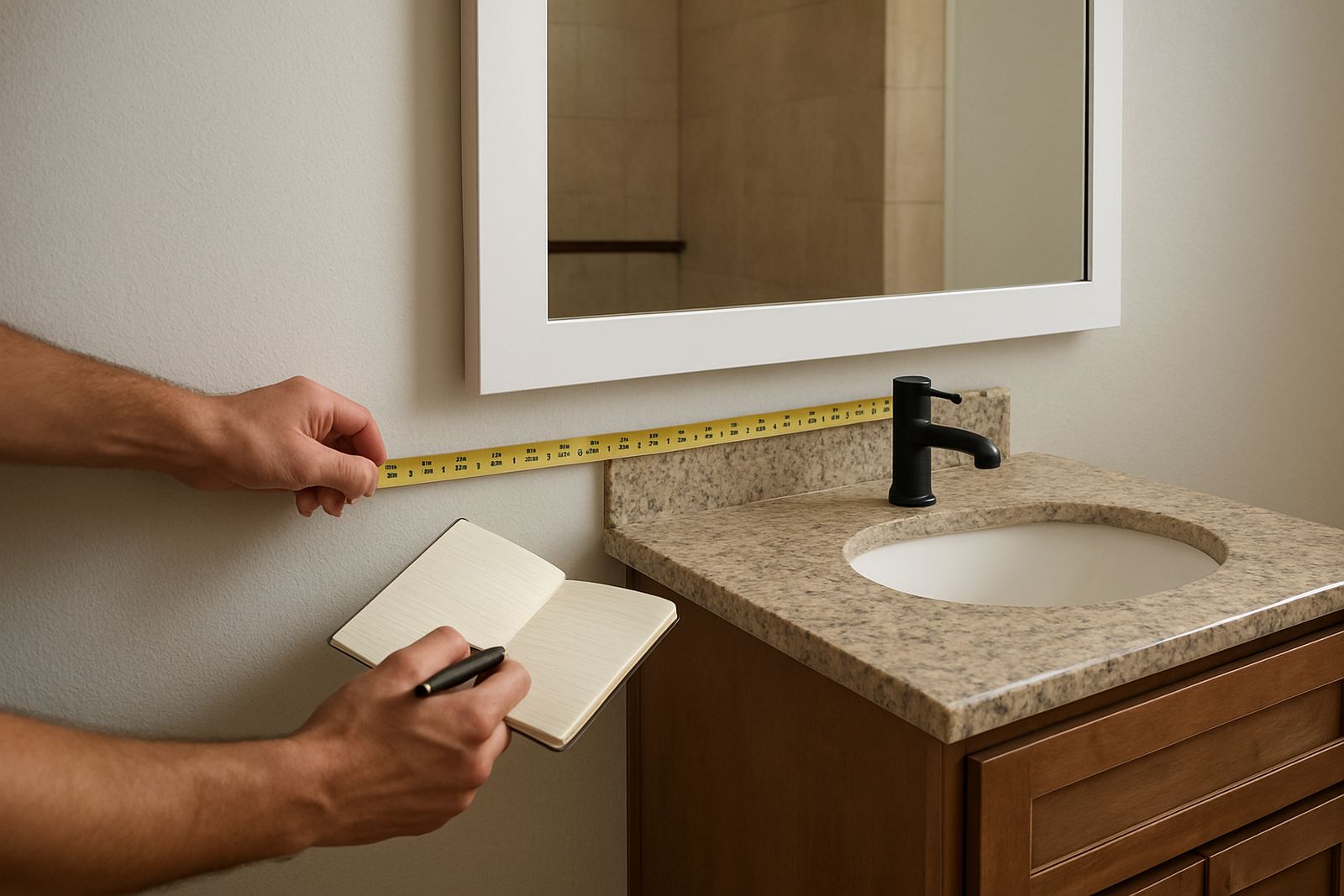
- Measure the available wall width and height above the basin
- Check where the light switches, power points and plumbing lines sit
- Decide whether the mirror should be a feature or sit quietly in the room
- Look at moisture levels and ventilation, especially in tight bathrooms
- Match the style to your cabinetry, tiles and tapware finish
- Confirm whether you want demister support for steamy morning use
- Ask how the mirror will be installed and how the electrical connection will be handled
If you are comparing options for a renovation in Pinetown or a bulk project in Durban, this checklist also helps the installer plan the work properly. It is easier to sort out a small layout issue before the glass is on site than after the tilework is complete.
How to decide by room size, lighting and cleaning routine
Room size is one of the biggest factors. In smaller bathrooms, frameless mirrors usually help the room feel less cramped. In larger family bathrooms, framed mirrors can add presence and stop the wall from looking too plain. Lighting also matters. If the room has limited natural light, the mirror style should work with the LED output and not fight it.
Think about your cleaning routine too. Homes with children or busy morning routines may prefer the easier wipe-down of a frameless edge, while a framed mirror can offer a more polished border if the room is cleaned regularly. Either way, the mirror should be chosen for how the bathroom is used every day, not only for how it looks in photos.
For home owners in Hillcrest or Westville where bathrooms may be part of larger family renovations, we often advise comparing three things together: the basin width, the wall finish and the amount of light needed at face level. That simple approach avoids costly rework later on.
What to expect from measurement, fitting and aftercare
A proper decision between framed and frameless starts with site measurements. The size has to suit the vanity, and the electrical connection must be planned before the mirror is fixed. Where needed, the installation team should check the wall surface, confirm mounting points and make sure the lighting and demister functions are accessible for future servicing.
After fitting, good aftercare is not just about polishing the glass. It includes checking the LED component, confirming the switch position, and making sure the seal and mounting remain secure in humid conditions. In Durban and the surrounding areas, this kind of follow-up is especially important because bathrooms can face heat, moisture and power interruptions at different times of year.
- Book site measurements before ordering custom sizes
- Confirm whether electrical connection work is required
- Check if the mirror needs replacement brackets or upgraded support
- Ask about LED component repairs and demister servicing if the bathroom is used heavily
- Keep the installer contact details for aftercare support
For homeowners and designers across Pinetown, Durban North, Umhlanga, Ballito, Hillcrest and Westville, the right choice is usually the one that balances style, cleaning and fit. Framed and frameless can both work well, but only when the size and install are done properly.