Start With The Room And The Wall Space
Before you look at styles, measure the room properly. In a small guest bathroom a mirror that is too wide can overpower the basin, while in a main bathroom a mirror that is too narrow will look lost above a double vanity. Measure the available wall width, the basin width and the height from the countertop to any light, cabinet or tile line above it.
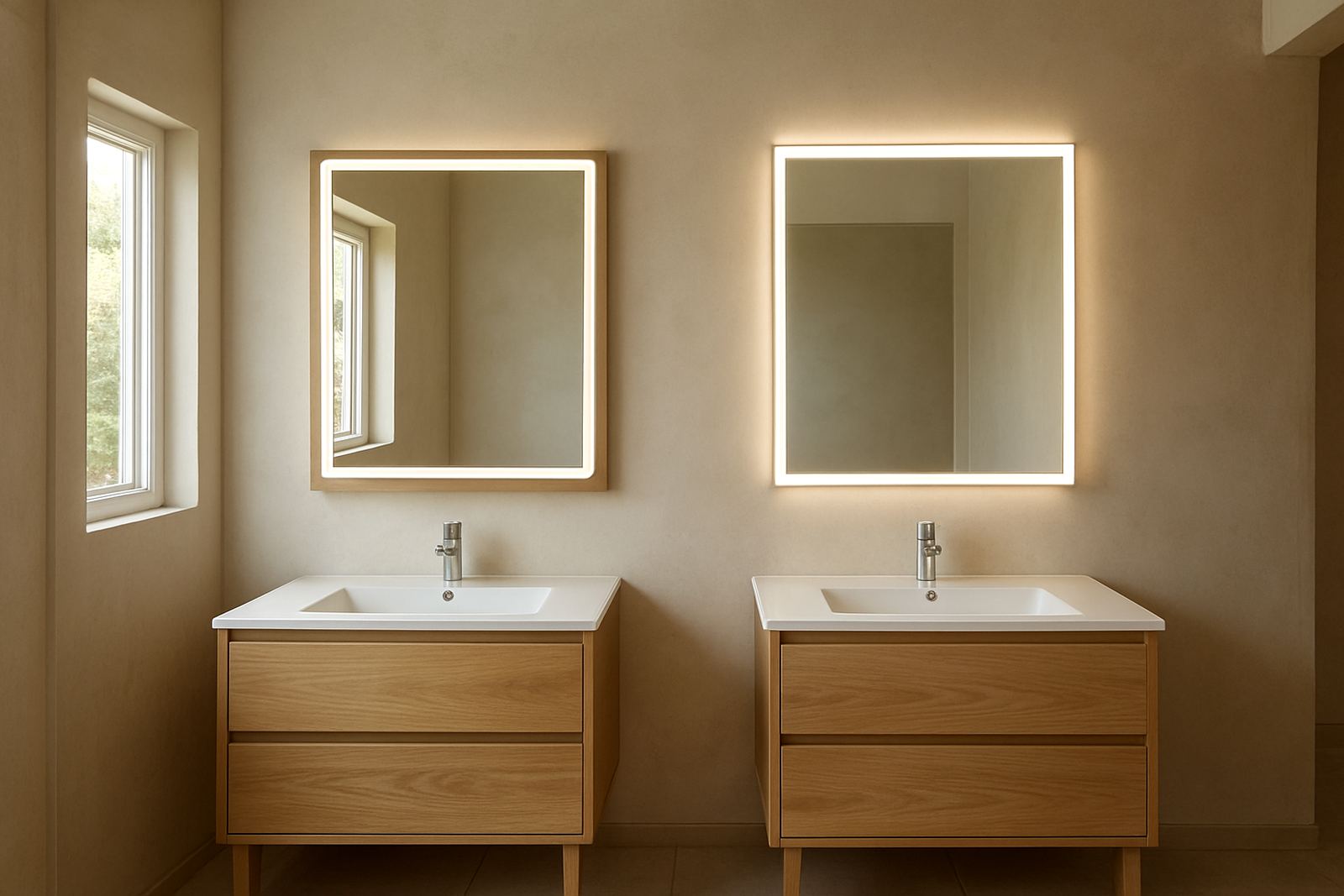
As a simple rule, many homeowners in Durban, Pinetown and the Upper Highway area choose a mirror that is slightly narrower than the vanity below it. That keeps the proportions neat and gives room for side lighting or wall finishes. If the wall is uneven or tiled, ask for a site measurement before ordering so the mirror and fixings suit the actual space, not just the plan.
Choose The Right Shape For Daily Use
Shape affects both the look and how the mirror works in practice. A rectangle gives more usable reflection height and suits most modern bathrooms. A round or soft-cornered mirror works well in smaller rooms and can break up hard tile lines. Tall vertical formats suit narrow spaces and are handy when you want more face and upper body reflection for grooming.
- Rectangle: best for family bathrooms and vanity walls.
- Round: useful when you want a softer look in compact spaces.
- Oval or arch styles: good for feature walls and custom interiors.
- Vertical formats: useful where wall width is limited.
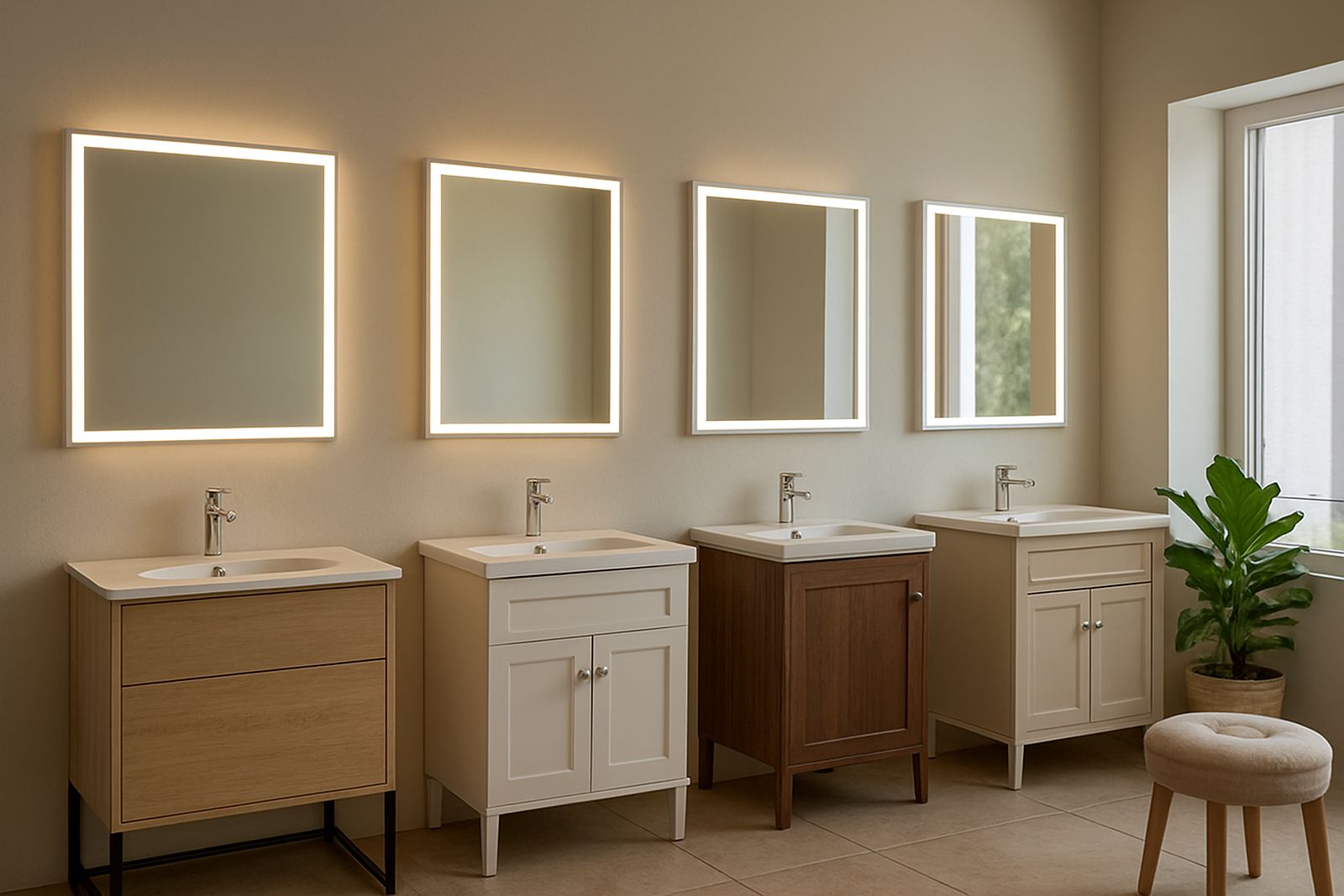
If you are fitting mirrors in a home with more than one bathroom, keep the shapes related even if the sizes differ. That helps the house feel consistent and avoids a mixed look.
Compare Lighting Output, Colour And Control
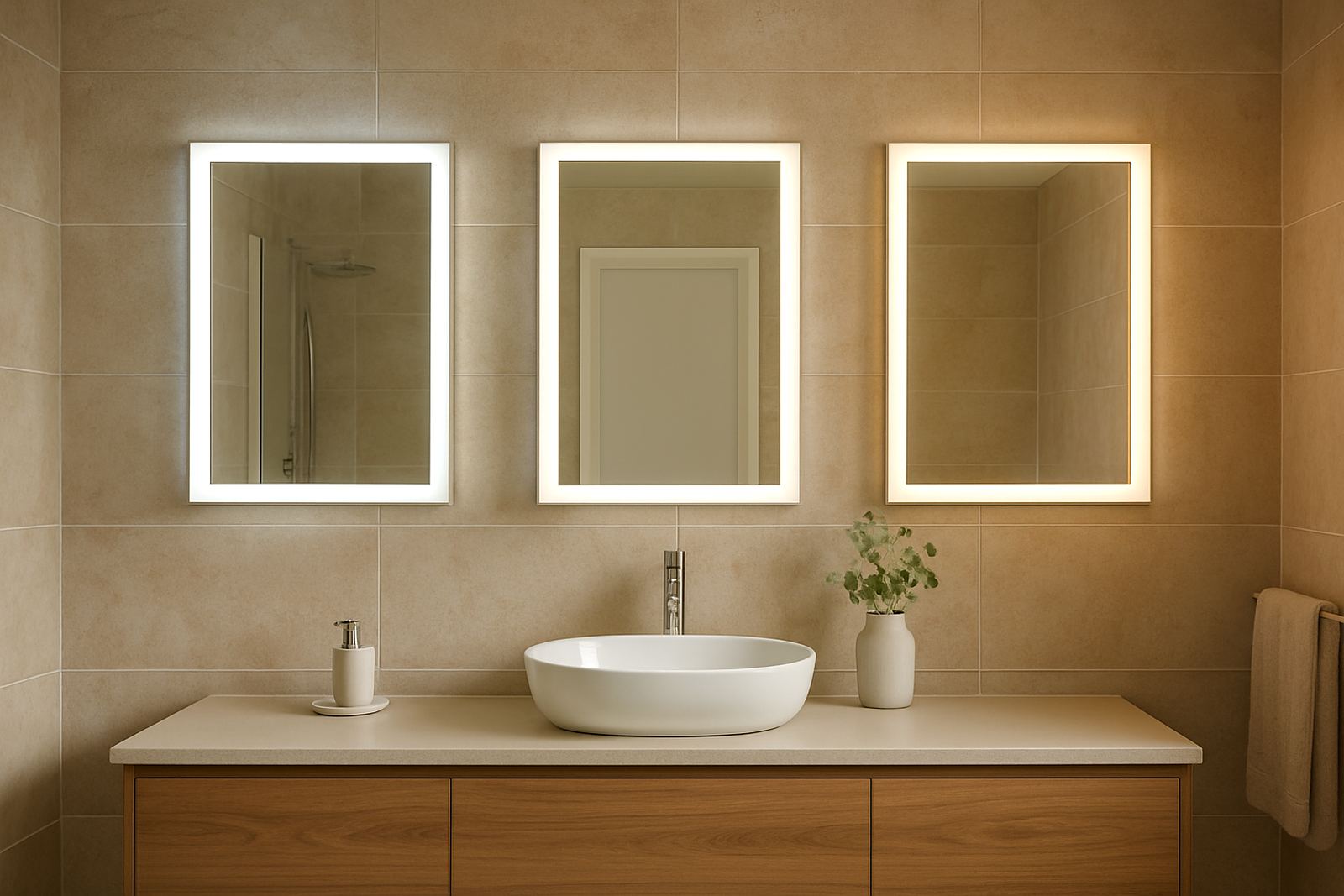
The light around a mirror matters as much as the glass itself. For shaving, makeup and skincare, even front lighting reduces shadows on the face. Look for a colour temperature that suits the room and the people using it. Cooler light can feel crisp and bright, while a warmer tone is softer for evening routines. In many homes a neutral white sits nicely between the two.
Check how the light switches on and whether there is a dimmer or touch control. In homes that experience load-shedding, it helps to know whether the mirror needs mains power only or if there is a backup option in the bathroom plan. An LED mirror is most useful when the lighting is steady, well placed and easy to clean, not when it is overcomplicated.
- Ask about brightness for grooming tasks, not just mood lighting.
- Check whether the light is front lit, back lit or a combination.
- Confirm the switch position and how it will be wired into the room.
- Make sure the finish will suit wet area cleaning and daily use.
Check The Useful Extras Before You Pay
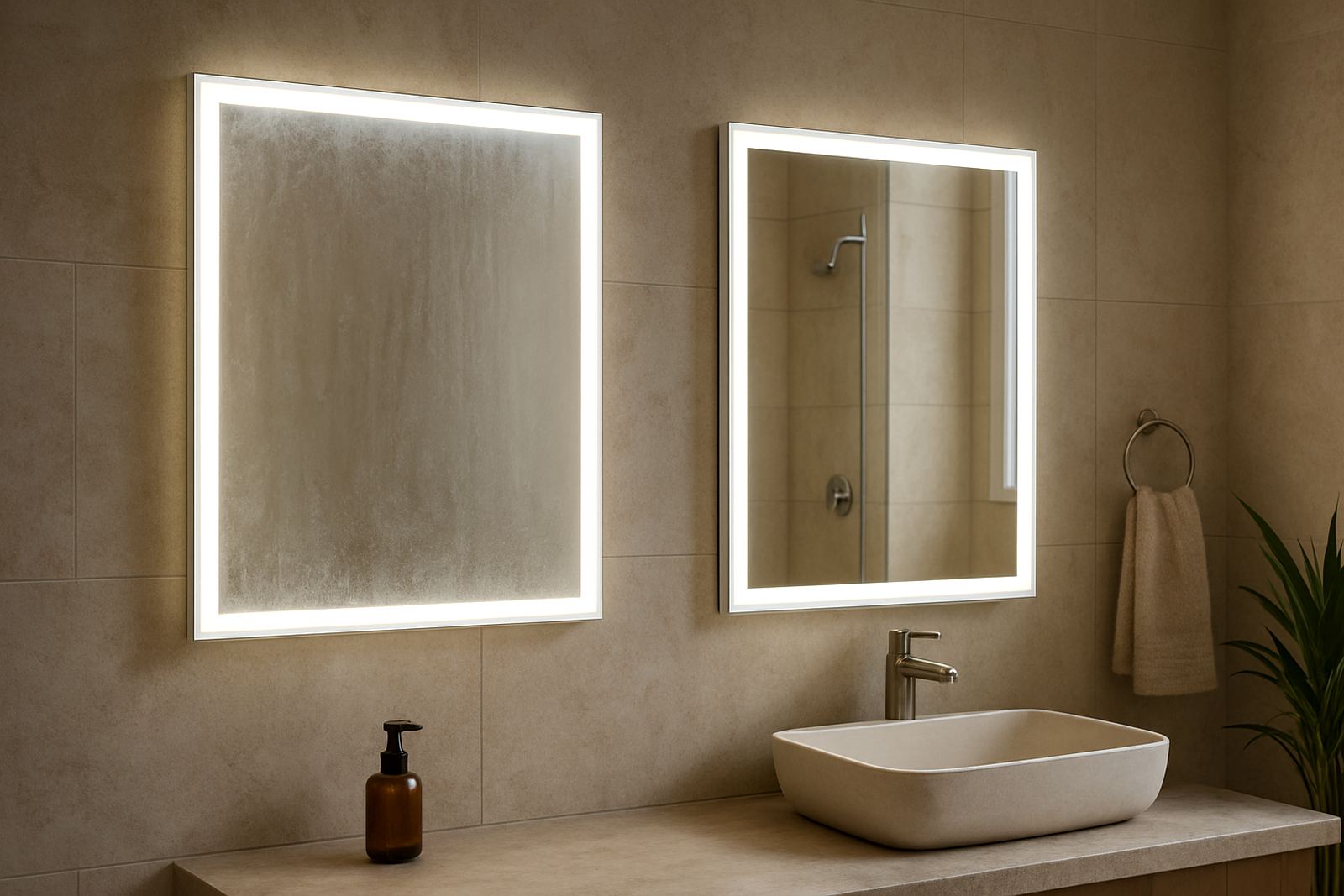
Some features are nice to have, others are genuinely useful. A demister pad helps in humid coastal areas like Durban North, Umhlanga and Ballito where mirrors fog up quickly after showers. A built-in demister saves time and makes the mirror more practical for busy households. If the mirror includes extra functions, ask how each one is serviced later and whether parts are available.
Features can add value, but only if they suit the room. For example a large mirror with too many controls may be awkward in a shared bathroom. Keep the focus on what improves daily use: clean reflection, reliable lighting, fog control and easy maintenance. A simple setup that works well is usually better than a crowded feature list.
Plan The Electrical And Installation Details Properly
LED mirrors must be fitted correctly, especially where moisture, tiled walls and electrical points are involved. If the bathroom is being renovated, plan the mirror position early so the power point, backing support and wall finishing are all in the right place. In some homes the electrician and installer need to work together on the final position, otherwise the mirror may sit too high or the cable path becomes untidy.
For body corporate properties, guest bathrooms or developments with municipal or building rules, check access times and approval requirements before installation day. In coastal areas, good sealing and proper mounting matter more because humidity can shorten the life of poor fittings. If the wall is newly tiled, make sure the installer knows the tile type and thickness first.
- Confirm the power point position before tiling or painting.
- Ask whether wall plugs, brackets and sealant are included.
- Make sure the fixing surface can carry the mirror safely.
- Keep the installation area dry and accessible on the day.
Think About Replacement, Repairs And Ongoing Support
A mirror should be easy to live with after it is installed. Ask who will help if the LED section, demister or wiring needs attention later. In a busy home or a commercial fit-out, replacement and repairs are part of normal ownership, not an afterthought. A supplier that offers aftercare saves time when you need support months or years later.
If you are ordering for more than one bathroom, or for an interior project across Durban, Westville, Hillcrest or nationwide, keep a record of the sizes and specifications you approved. That makes future replacements simpler and helps if you ever need a matching mirror for an upgrade. It also avoids delays when a builder, plumber or electrician asks for the exact details again.
Simple Buying Checklist Before You Order
Use this final check before you place the order. It keeps the process practical and reduces mistakes on site. If you can answer these points clearly, you are usually ready to move forward.
- Measured wall width, height and basin position.
- Chosen shape and size that suit the room.
- Lighting style, brightness and control method confirmed.
- Demister or other extras selected only if needed.
- Electrical point and installation plan agreed.
- Support arranged for repairs, replacement or servicing later.
A good LED mirror should fit the room, serve the people using it, and hold up to daily bathroom conditions. When those basics are right, the mirror becomes one of the most useful parts of the space, not just a finishing touch.