Why coastal bathrooms need more than a pretty mirror
Along the Durban coastline, a bathroom mirror has to cope with more than steam from the shower. Salt air, changing humidity and regular cleaning all put pressure on frames, backing materials and lighting components, especially in homes close to the sea in Umhlanga, Durban North and Ballito. If a mirror is chosen only for style, it can start showing marks, edge wear or lighting faults sooner than it should.
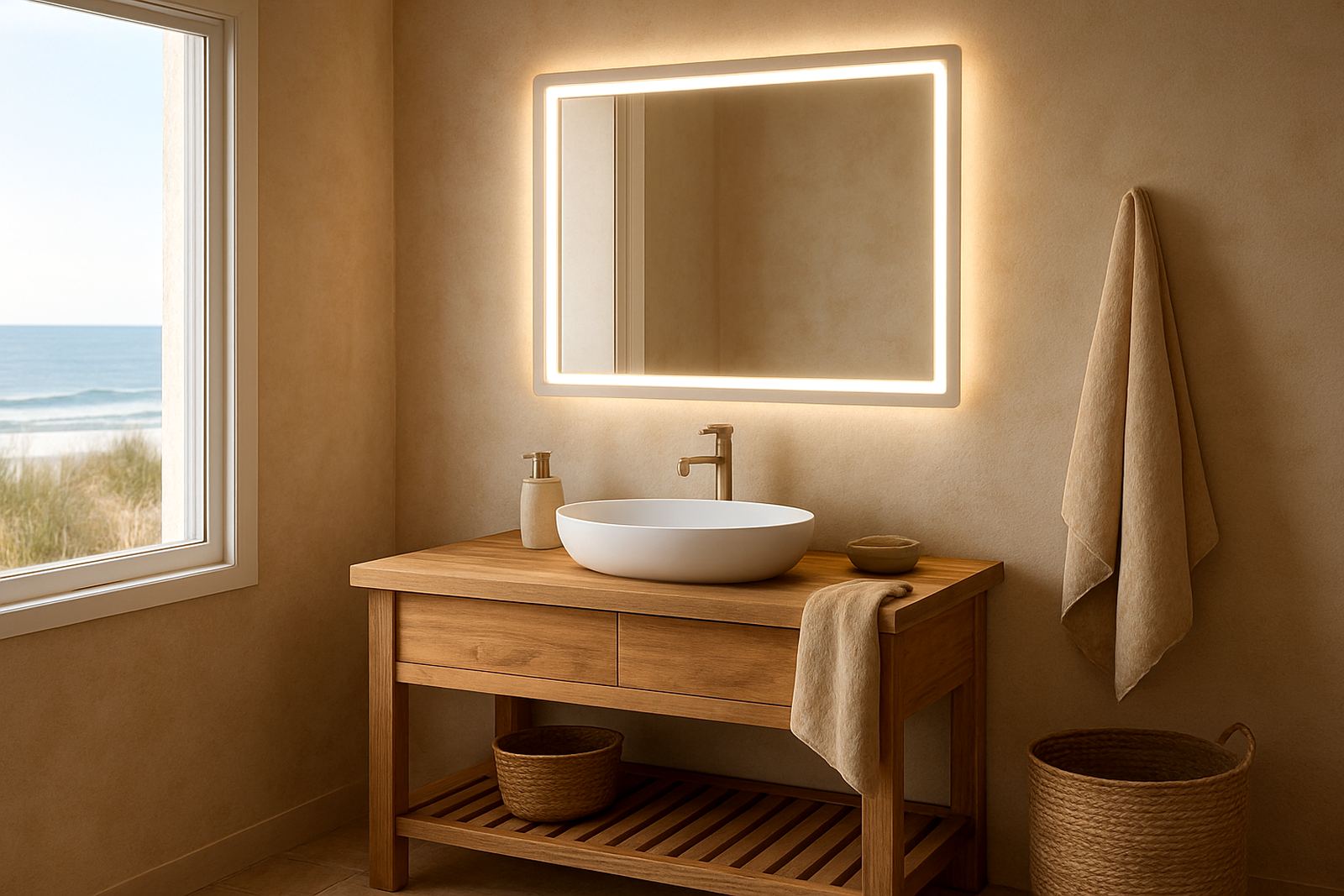
A good coastal mirror balances looks with practical details. That includes suitable backing protection, neat sealing at the edges and lighting that works in damp spaces. In many renovations, the mirror becomes the main feature above the vanity, so it needs to be sized properly for the basin, wall tiles and the room's natural light. One poor choice can make a well-planned bathroom feel cramped, too dim or difficult to clean.
- Choose materials that tolerate humidity and frequent wiping.
- Keep the mirror size in proportion with the vanity and wall space.
- Plan for safe power access before the mirror is fixed in place.
Finishes that suit the coast without fighting the light
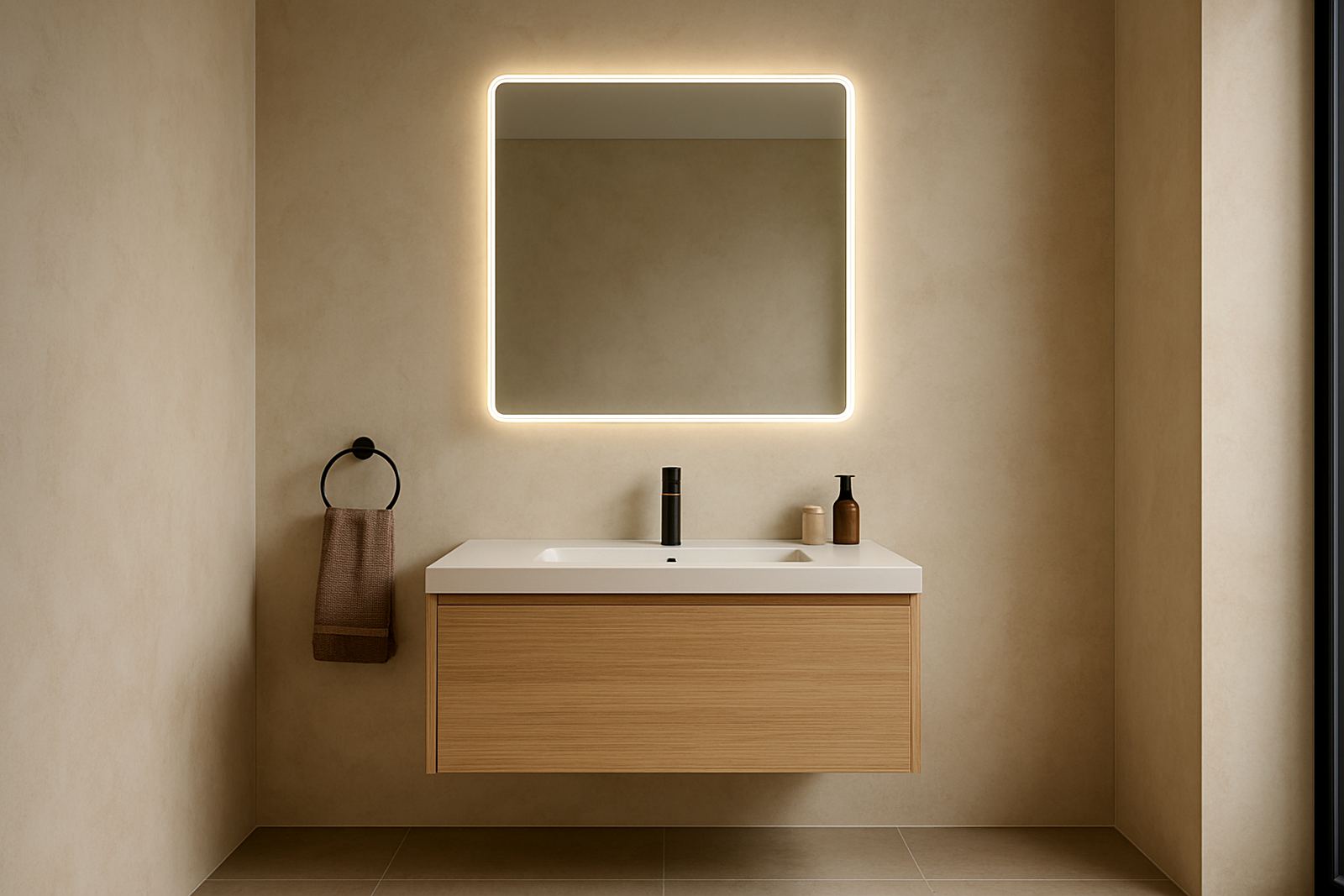
Coastal interiors often have bright daylight, pale tile work and a relaxed feel. Mirror finishes should support that look rather than compete with it. Clear glass with a neat edge suits most bathrooms, while softly framed mirrors can add definition where the room feels a bit plain. In homes with timber vanities or brushed fittings, a restrained finish usually lasts longer visually than anything too decorative.
For seaside properties, finish choice also affects upkeep. Glossy surfaces show fingerprints and toothpaste spots quickly, so they need regular cleaning. Satin or subtle metallic details can hide light marks better, but the important thing is still quality around the edges and fixing points. If the bathroom is small, a slim profile works better than a heavy frame because it keeps the room feeling open.
- Use slim edging where the bathroom already has strong feature tiles.
- Match the mirror finish to taps, handles and shower fittings.
- In compact guest bathrooms, a simple shape often looks cleaner than ornate detailing.
Choosing the right light temperature for morning and evening routines
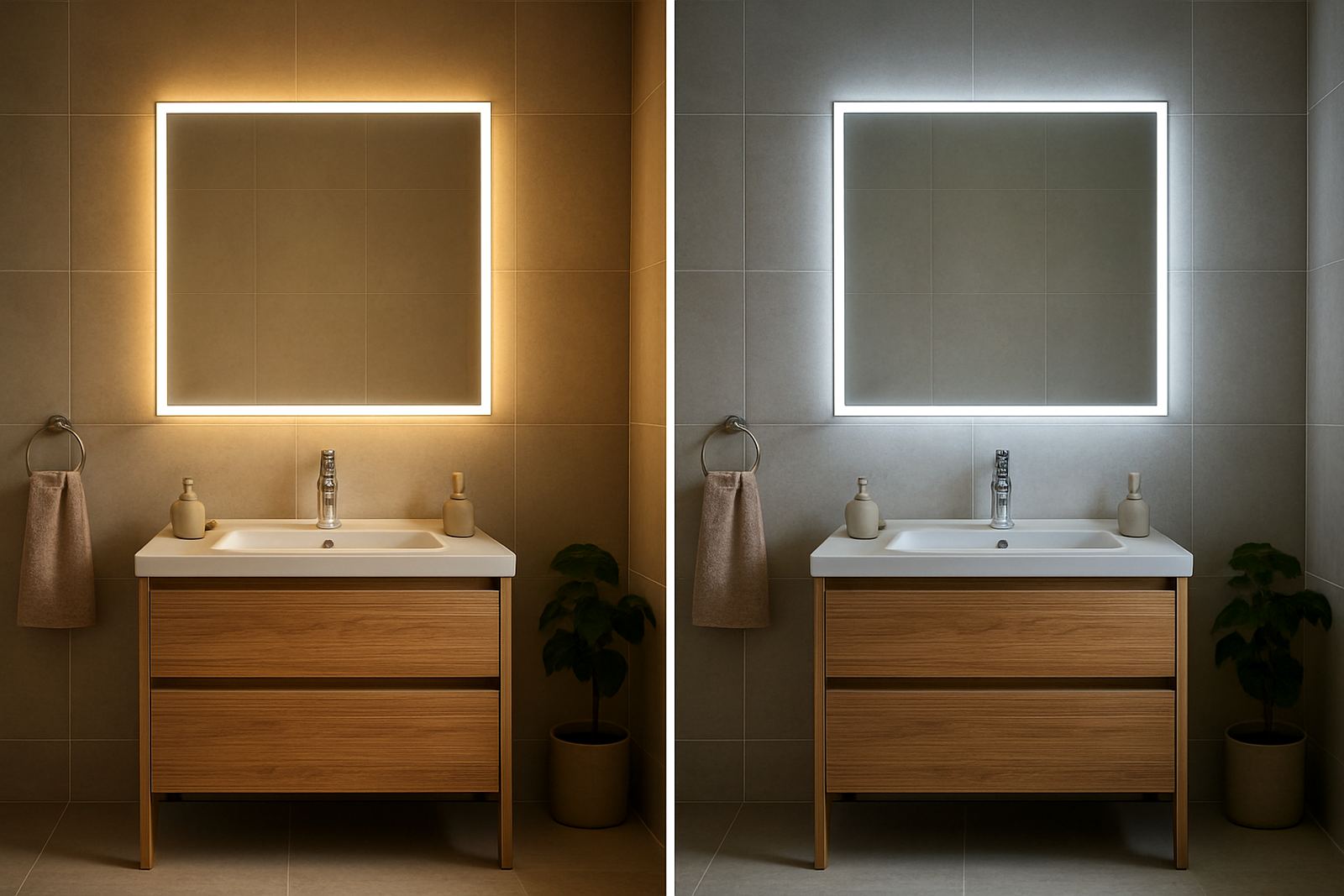
LED mirrors make a real difference in a coastal bathroom because they provide useful task lighting without needing a separate wall light in every case. The key is choosing the right light temperature. Cooler white light can help with shaving, makeup and detail work, while a softer white tone feels more relaxed in the evening. A mirror that lets the room shift between moods is often the best fit for family homes.
For Durban homes, we often suggest thinking about when the bathroom is used most. A busy family bathroom in Westville may need brighter, clearer light for school mornings, while a main en suite in Hillcrest might benefit from a softer setting after sunset. Dimmable options or carefully placed LEDs can reduce harsh shadows, which is useful when coastal daylight changes quickly through the day.
- Cooler light suits task work and clear reflection.
- Warmer light is better for evening comfort and softer ambience.
- Even lighting around the face is more practical than one bright point above the mirror.
Moisture, demisters and the small details that matter
Steam is one of the biggest frustrations in a bathroom near the coast. A demister pad or similar anti-fog feature can save time and stop repeated wiping that eventually marks the mirror. This is especially handy in homes where everyone showers before school or work, and the room has to clear quickly. It also helps in compact bathrooms where ventilation is not ideal.
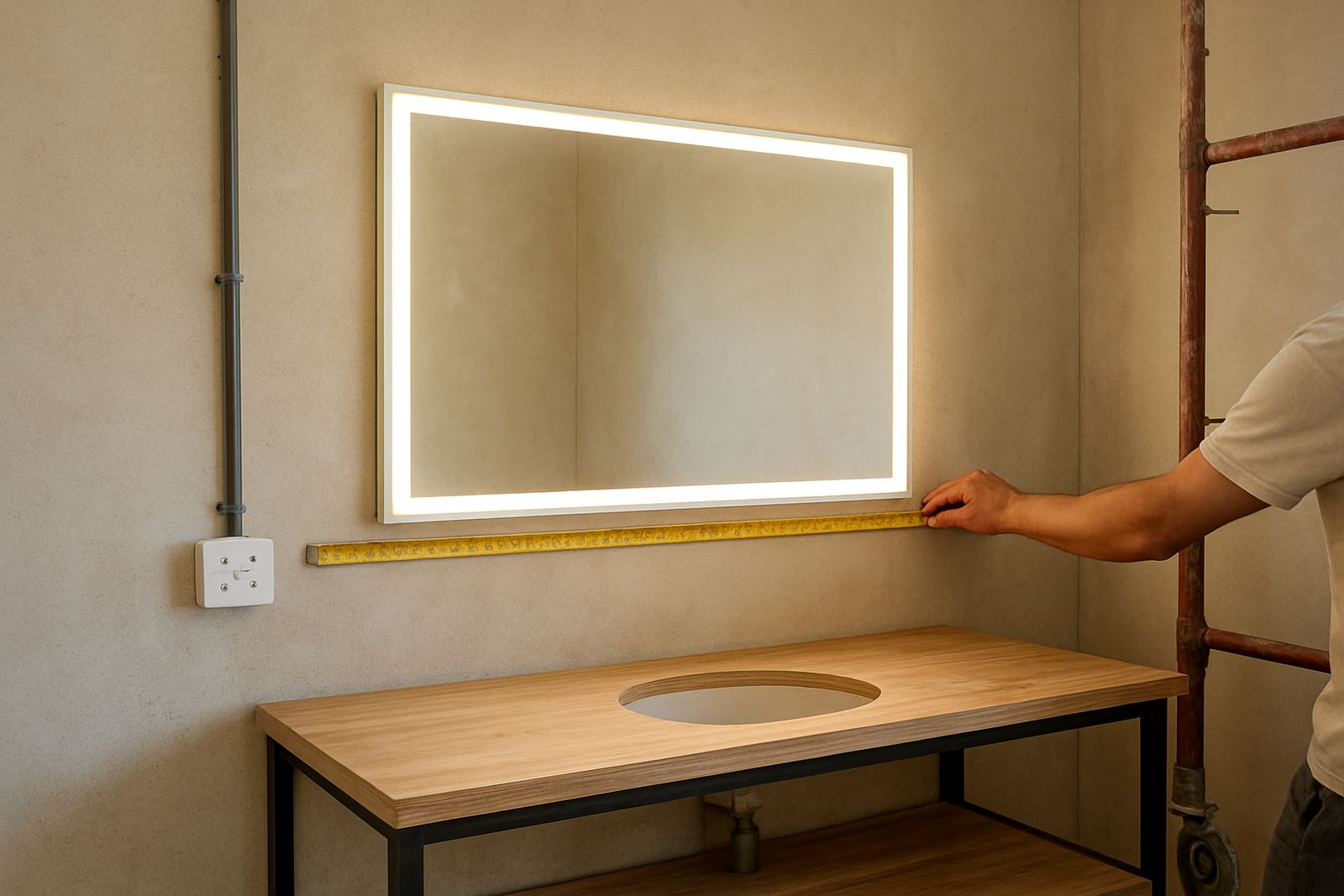
The small details matter just as much. Cable routing should be tidy and safe, switches need to be accessible, and the mirror should sit clear of splash zones where possible. If the bathroom is being retiled or upgraded, it is worth checking the wall finish, the power point position and the waterproofing line before installation day. A mirror that is fixed too late in the process often ends up looking crowded or uneven.
- Ask for demister servicing if the pad stops clearing fog evenly.
- Check that the wall is level before the mirror is mounted.
- Keep electrics protected from direct splash areas and damp corners.
A Durban example: Pinetown to Umhlanga fit-outs done properly
A recent coastal-style bathroom upgrade in the Durban area showed how much the right mirror changes the room. The homeowners wanted a clean, bright look for a compact vanity, but the bathroom had limited wall space and an older power point position. After site measurements, the mirror was sized to sit neatly above the basin without crowding the tiled splashback. The result was a better proportioned room with stronger light for morning use.
That kind of job needs practical coordination. In one case, the installation had to work around an early delivery and a family schedule, so the electrical connection, mounting and final alignment all had to be done in sequence. The mirror was not just fitted, it was planned for the room, which is where a lot of coastal renovations go wrong when people buy a size first and think about the layout later.
For homes in Pinetown, Durban North, Umhlanga, Ballito, Hillcrest and Westville, the same approach applies. The mirror has to suit the wall, the lighting, and the daily routine, not just the colour of the tiles.
What to ask before ordering mirrors for a coastal home
Before you place an order, ask a few practical questions so the mirror works in real life and not only on paper. This is important for homeowners, designers and contractors handling bathroom fit-outs nationwide, especially where multiple units are needed for a development or guesthouse. The right answers help avoid costly replacements and last-minute wiring changes.
- What size will suit the vanity and the tile layout?
- Is the lighting suitable for the room's natural daylight and evening use?
- Will the mirror need a demister, replacement parts or future LED component repairs?
- Who will handle measuring, installation and electrical connection?
- Is aftercare available if the room needs adjustment later?
When these details are considered early, the mirror feels like part of the bathroom rather than an item added at the end. That is the difference between a space that looks neat on day one and one that keeps working well through the coastal seasons, humid weeks and everyday family use. A good mirror should make the room easier to use, not harder.