How backlit and frontlit mirrors light the room differently
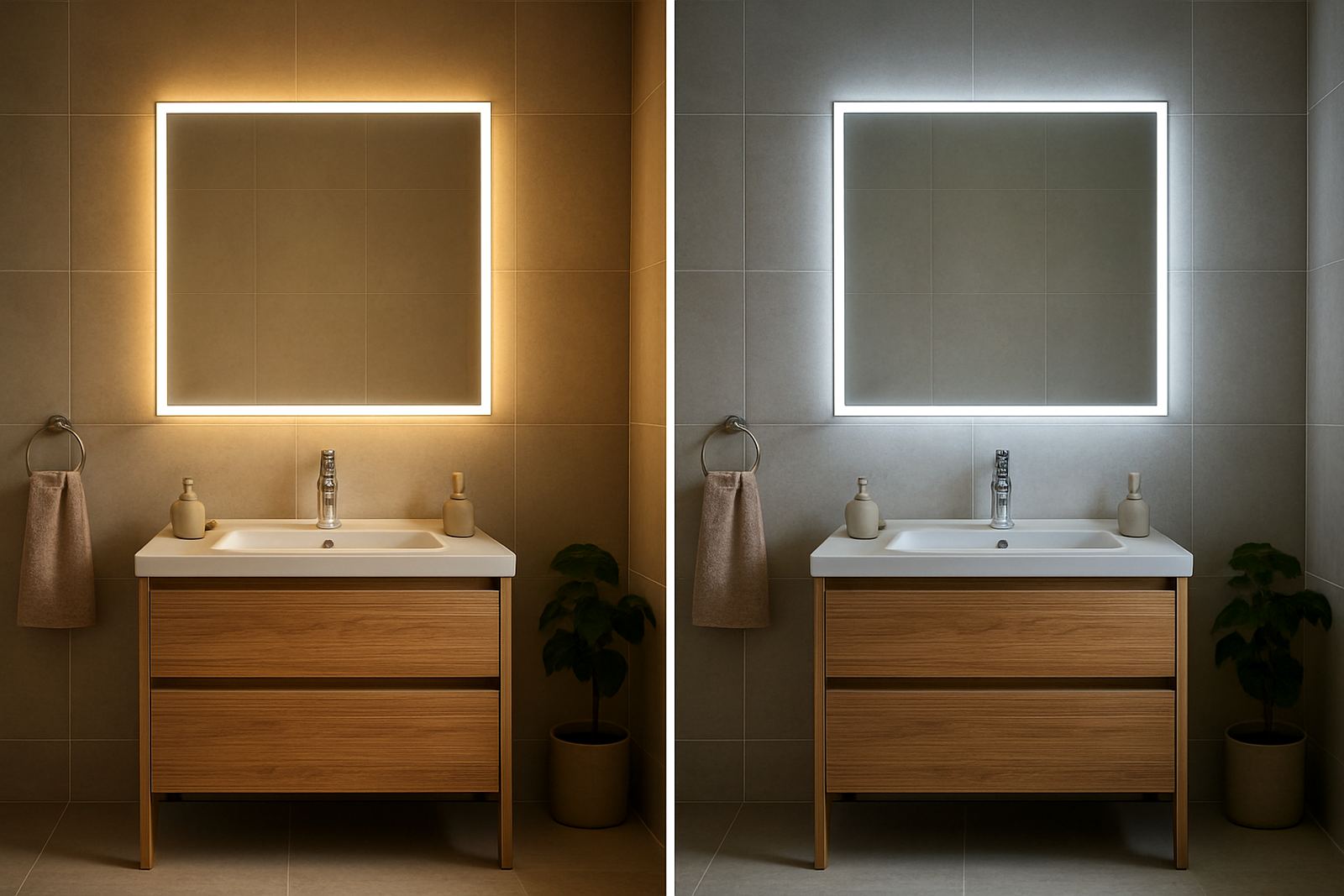
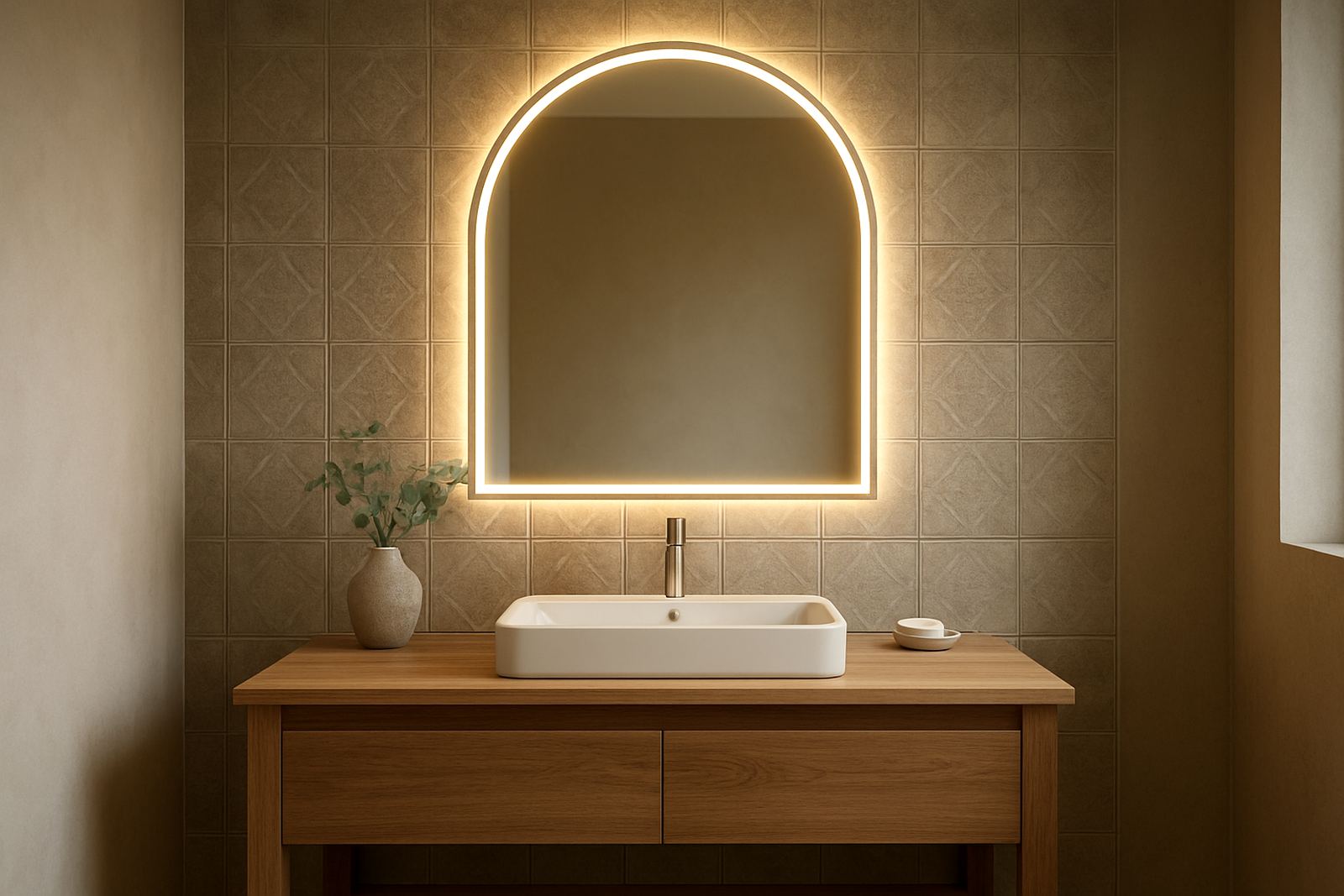
Backlit mirrors throw light from behind the glass, which creates a soft halo on the wall and a gentler feel around the basin area. Frontlit mirrors place the light toward the face, so the illumination is stronger and more direct for shaving, make-up, and close work.
The practical difference is simple: backlit lighting is better for mood and ambient glow, while frontlit lighting is better for clear facial visibility. In a family bathroom, that can mean the difference between a mirror that looks lovely at night and one that helps properly at 6:15 in the morning before school and traffic.
- Backlit gives softer edge lighting and less glare on shiny tiles.
- Frontlit gives brighter face lighting and clearer detail.
- Some rooms need both, especially where there is one ceiling point and a dark vanity corner.
When halo lighting works best in South African homes
Backlit mirrors suit bathrooms where the owner wants a calm finish and a bit of atmosphere. They work well above floating vanities, in guest bathrooms, and in homes where the mirror is part of the décor rather than only a grooming aid. In Durban, where coastal humidity can leave walls feeling a bit damp after a shower, the halo effect also helps break up hard shadows on light-coloured tiles.
They are a strong choice for designer fit-outs in Umhlanga apartments, Hillcrest family homes, and Pinetown renovation projects where the bathroom gets used after load shedding and people want lighting that feels less harsh when the power returns. For many homeowners, backlit mirrors also hide wall imperfections a little better because the light sits behind the frame, not directly in your face.
- Good for relaxed bathrooms and hotel-style finishes.
- Helpful where vanity lighting is already strong from the ceiling or side walls.
- Often preferred for feature walls and textured tile work.
Where frontlit mirrors earn their keep
Frontlit mirrors are the practical option when the bathroom must work hard every day. The light is aimed where you need it, which makes them useful for morning routines, grooming, and skincare. If the room has limited natural light, a frontlit mirror can improve visibility without having to switch on every ceiling light in the house.
For compact bathrooms in Westville or older homes in Durban North where the basin area is narrow, frontlit mirrors can make the space feel more functional. They are also a better fit where several people use the same bathroom and need a clear reflection without standing at just the right angle.
- Better for task lighting and fine detail.
- Useful in rooms with no window or weak daylight.
- Can reduce the need for extra vanity lights above the basin.
Choosing for moisture, maintenance, and daily use
Both styles need to be suitable for bathrooms, so moisture protection matters more than the finish alone. In coastal areas like Ballito and Durban North, salty air and humidity can affect fittings over time, especially if the mirror is installed too close to a shower or a poorly ventilated wall. The mirror should be specified with proper bathroom use in mind, and the electrical work must be done neatly and safely.
Maintenance is also worth thinking about. Backlit mirrors usually show fewer fingerprints on the light source area, while frontlit mirrors may need a bit more wiping around the illuminated sections. If the bathroom gets used by children, guests, or staff quarters, choose a style that will stay easy to clean and service. A mirror that is lovely on day one but awkward to live with soon becomes a nuisance.
- Ask how the mirror handles steam and daily moisture.
- Allow for proper ventilation in enclosed bathrooms.
- Choose a surface and light position that are easy to wipe down.
What to consider before you order for a fit-out
Before placing an order, measure the basin area properly and think about the wall space around it. If the mirror is too wide, it can crowd taps, tiles, or shelves. If it is too small, the lighting may not spread well enough. A good supplier will check the room layout, power point position, and the desired height above the vanity so the mirror lands in the right place.
For architects, designers, and contractors working on multiple units, it also helps to standardise the mirror type across similar bathrooms. That makes installation easier and keeps the lighting consistent from one unit to the next. At the same time, a main bedroom en suite might need a brighter frontlit design, while a powder room can carry a softer backlit piece without any trouble.
- Confirm mirror width, height, and mounting position before manufacture.
- Check where the electrical feed will come from.
- Match the mirror to the room’s use, not only the look.
A practical Durban example from quote to install
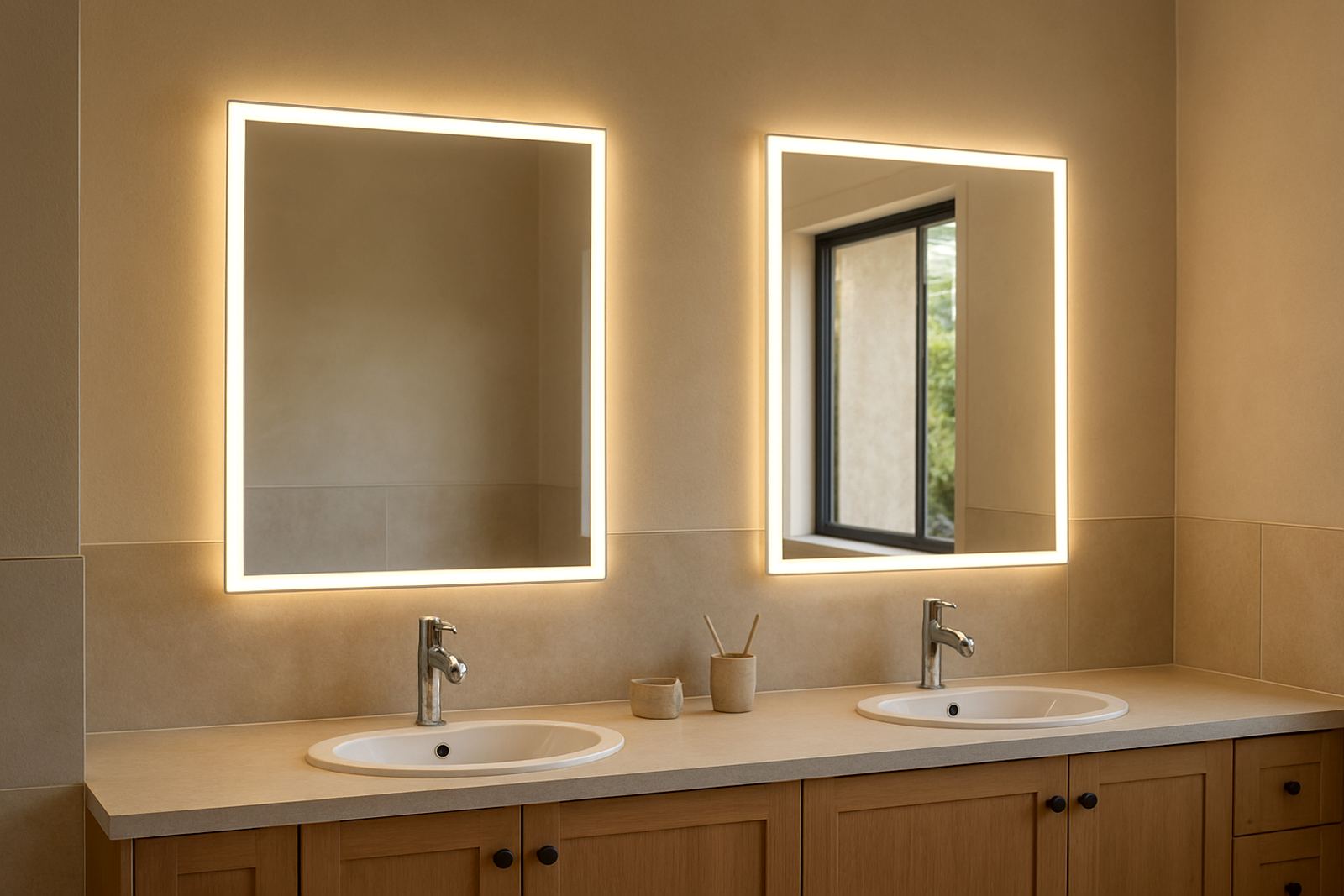
Take a common local project: a family bathroom in Pinetown with a double vanity, pale tiles, and a single ceiling point. The owners want a cleaner look, but they also need proper light for early mornings. In that case, a frontlit mirror can handle the day-to-day grooming task, while a backlit mirror may be better if the room already has strong side lighting and the family wants a softer finish.
In a coastal apartment in Umhlanga, the choice may lean backlit because the bathroom is part of a modern, pared-back interior and the soft glow suits the space. In a Hillcrest home where the vanity sits against a darker wall, frontlit can win because the family wants brighter face light. This is why site measurements and a proper look at the room matter before the final decision is made.
If the mirror also needs a demister or a replacement LED part later on, it is worth using a supplier that can handle aftercare, not just the first install. That keeps the bathroom working properly long after the handover.