How do I choose the right mirror size for my bathroom?
Start with the wall space above the vanity, then check the basin width and the height from the splashback to any wall cabinets or tiles. A mirror should normally sit a little narrower than the vanity so it looks balanced and leaves room for side lights or tile trims. In smaller guest bathrooms, a neat vertical mirror can open up the room. In larger main bathrooms, double mirrors or a wide feature mirror may suit the layout better.
For a proper fit we recommend site measurements, especially if the room has a window, a feature tile section, or an off-centre basin. Measure the available wall area in millimetres and note the distance to plugs, switches and water points. If you are unsure, send us the rough size and a photo of the wall, then we can guide you before anything is made.
- Measure width, height and the exact position of fittings
- Leave space for tiles, taps and light switches
- Allow extra clearance for cleaning and future replacement
What lighting options work best for daily grooming?
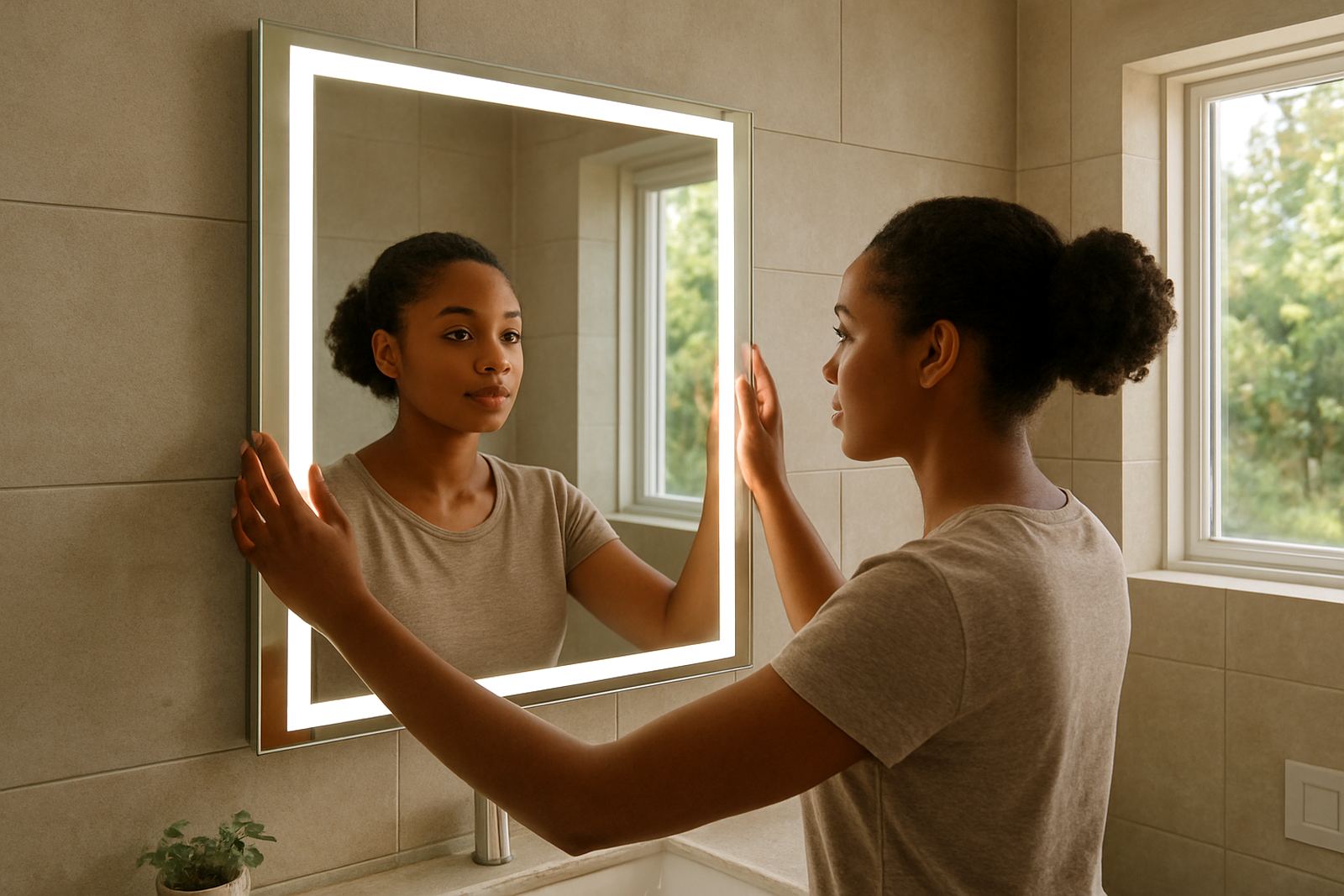
LED lighting is popular because it gives clear light for shaving, make-up and face care while using less power than older fittings. The best choice depends on the room and how you use it. Front-lit mirrors help with direct face light, while back-lit mirrors give a softer glow around the edge. Some bathrooms need both, especially where the ceiling light is weak or the room has dark tiles.
If your area has load-shedding, it helps to keep the mirror lighting on a switch circuit that is easy to manage with the rest of the bathroom lights. We can also advise on light colour so the mirror does not look too cold or too yellow. Neutral white is often the most practical option for homes in Durban, Pinetown and coastal areas where natural light changes through the day.
- Front light for task use and clearer face detail
- Back light for a softer decorative effect
- Neutral white usually suits most bathrooms best
Can the mirror be fitted in a tiled bathroom?
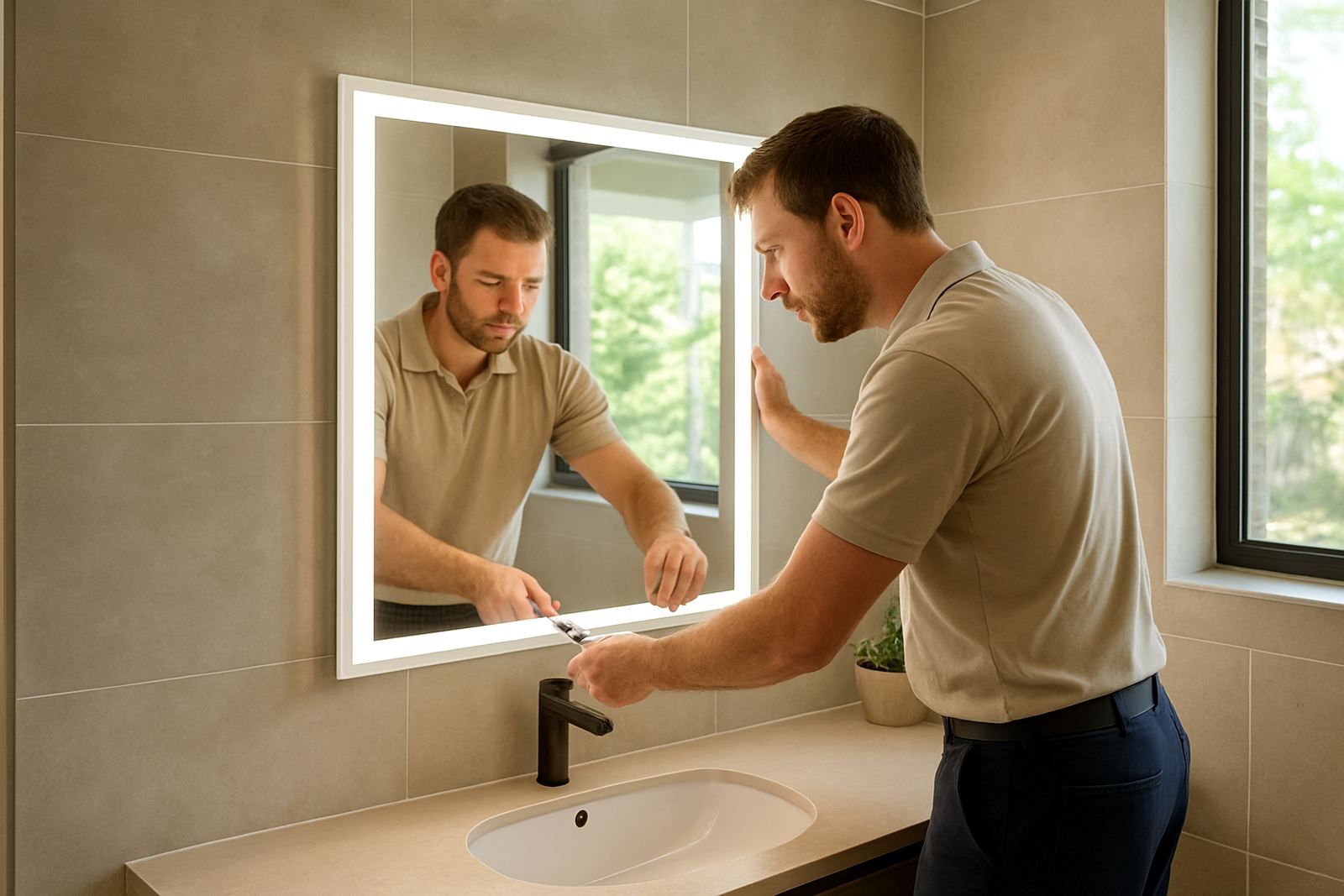
Yes, but the fitting points need to be planned carefully so the tiles are not cracked or drilled in the wrong place. Before installation, check the wall type, tile finish and the location of any hidden pipes or cables. We often install after the main bathroom fit-out is complete, once the vanity, basin and wall finishes are fixed in place.
For homes in coastal areas like Durban North, Umhlanga and Ballito, proper installation matters because humidity can affect poor sealant work and lead to moisture problems over time. Our installation lead will confirm the mounting method, spacing and fixing points on site. If the wall is uneven or the mirror is replacing an older unit, small adjustments may be needed on the day.
- Do not drill until the wall layout is checked
- Confirm tile lines and hidden service points first
- Use suitable fixings for the wall type and mirror weight
Do LED mirrors need electrical connection?
Most illuminated mirrors do need an electrical connection, usually to a nearby lighting point or isolated supply as advised by the installer. The exact method depends on the mirror specification and how the bathroom is wired. If there is no easy supply point, we can discuss the best route before the fitting date so the job is planned properly.
Electrical work should always suit local rules and be handled by a qualified person. That includes making sure the connection is safe, neat and practical for future maintenance. If you are renovating in Hillcrest, Westville or a new development in the wider Durban area, it is a good idea to tell your electrician early so the mirror position and wiring can be coordinated, not added later in a rush.
- Check where the supply point will be before ordering
- Ask if the mirror is switched from a wall point or a circuit
- Plan wiring with the bathroom layout, not after tiling
How do I clean and care for the mirror?
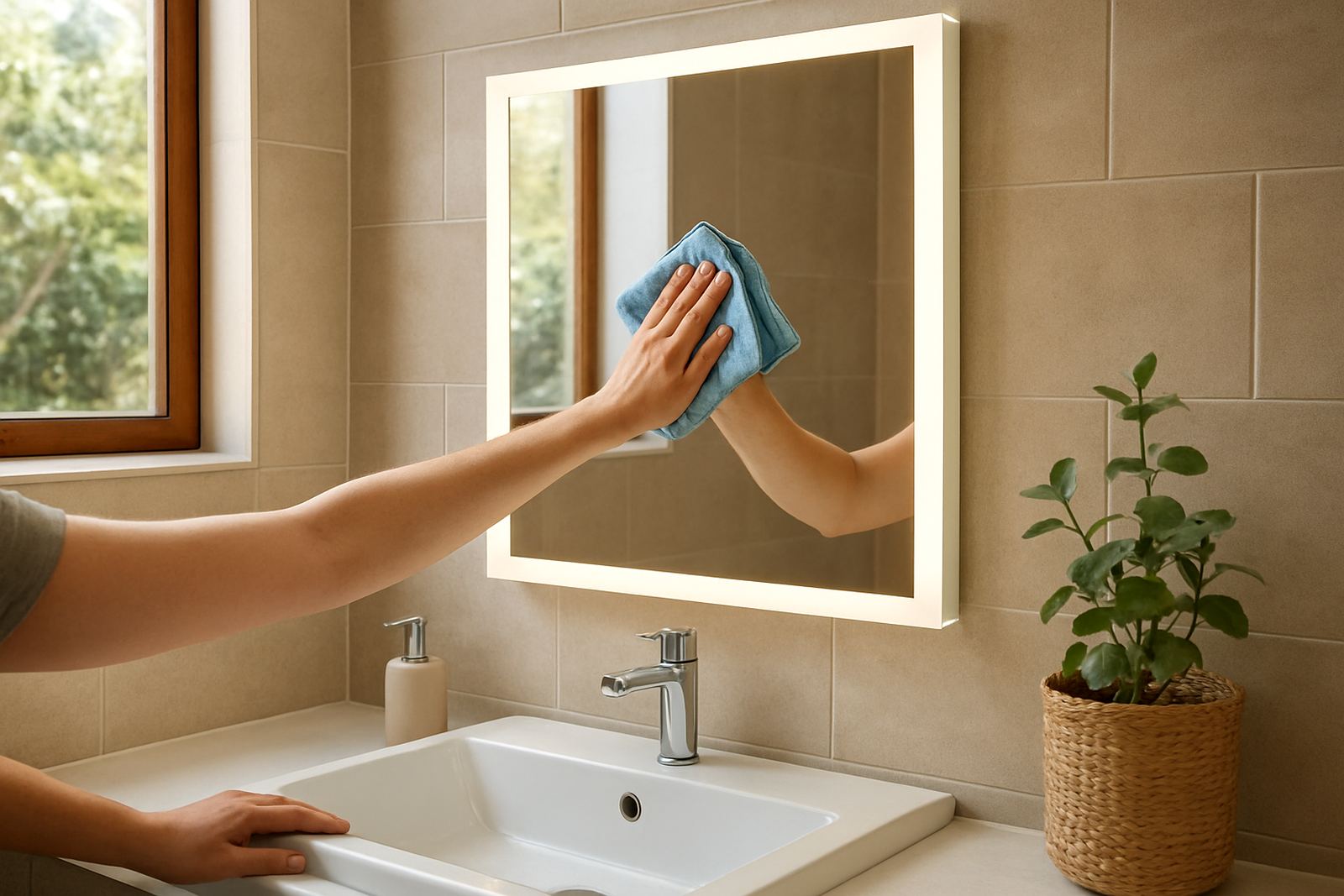
Use a soft microfibre cloth and a gentle glass cleaner or mild soapy water. Spray the cloth, not the mirror edge, then wipe dry to avoid streaks and moisture sitting around the frame or backing. Do not use harsh abrasives, strong solvents or rough pads because they can damage the finish and reduce the neat look of the unit.
In humid areas, it also helps to wipe condensation away after long showers. If your mirror includes a demister, give it a few seconds after switching on so it can clear the centre area properly. Regular light cleaning will keep fingerprints, toothpaste marks and coastal dampness under control, especially in busy family bathrooms.
- Wipe with a soft cloth, never a rough scourer
- Keep moisture off the edges and backing
- Check the switch and cables during routine cleaning
What if the LED, demister or sensor stops working?
If a feature stops working, first check the power supply, wall switch and any isolator or circuit breaker. In many cases the issue is outside the mirror itself. If the mirror has a sensor, make sure the sensor area is clean and not blocked by steam, stickers or decor. For a demister, allow a short warm-up time before deciding there is a fault.
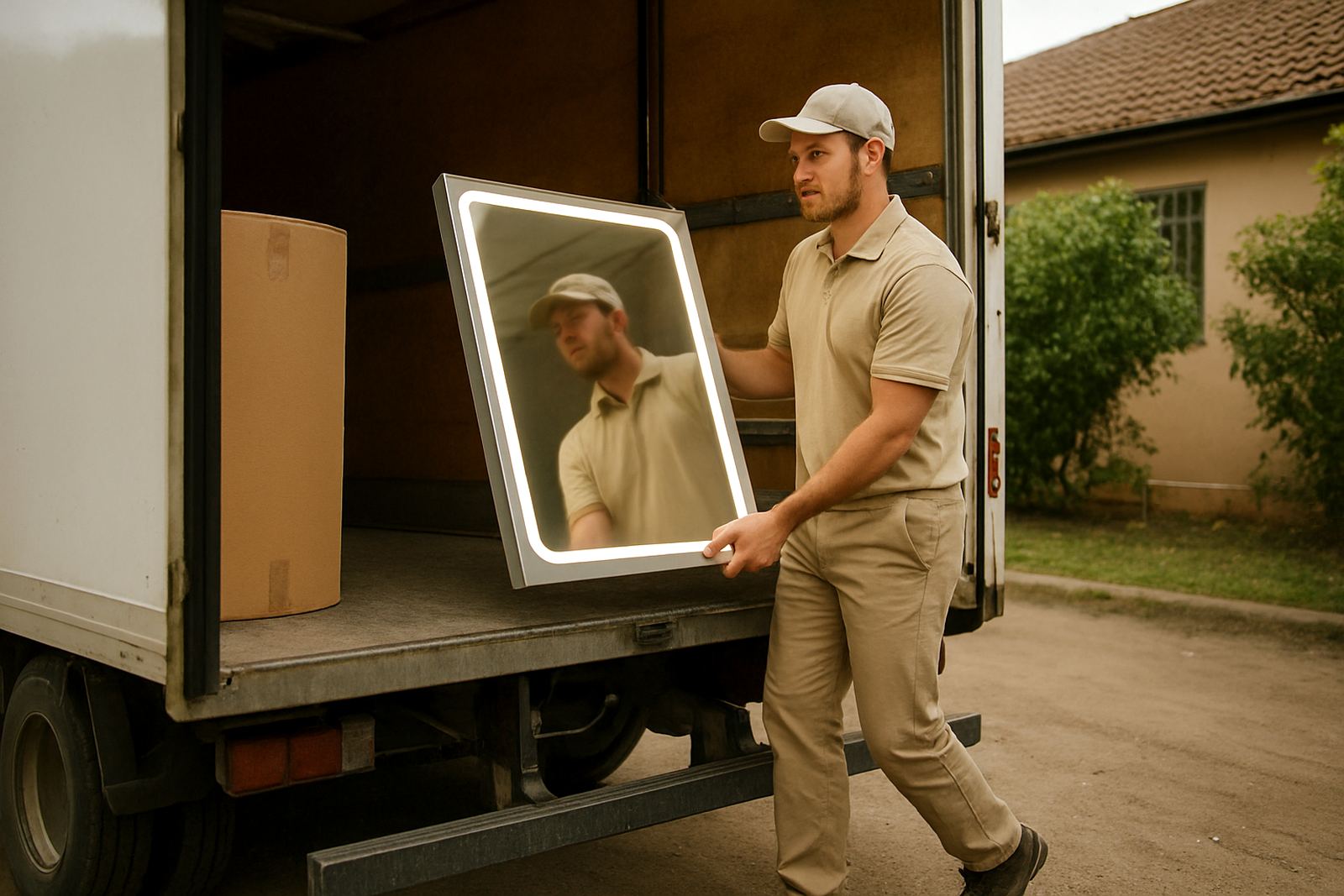
If the problem continues, send us a clear description, a photo and the mirror size. We can then advise on the next step, whether that means a component check, servicing or replacement. Our support team assists with LED component repairs, demister servicing and mirror replacement for homes, designers and bulk project supply across South Africa. A quick note with the model details saves time and avoids repeat call-outs.
- Check power first before assuming the mirror is faulty
- Test sensors and switches with the room lights on and off
- Share photos and measurements when you request help