Why compact bathrooms need more than one ceiling light
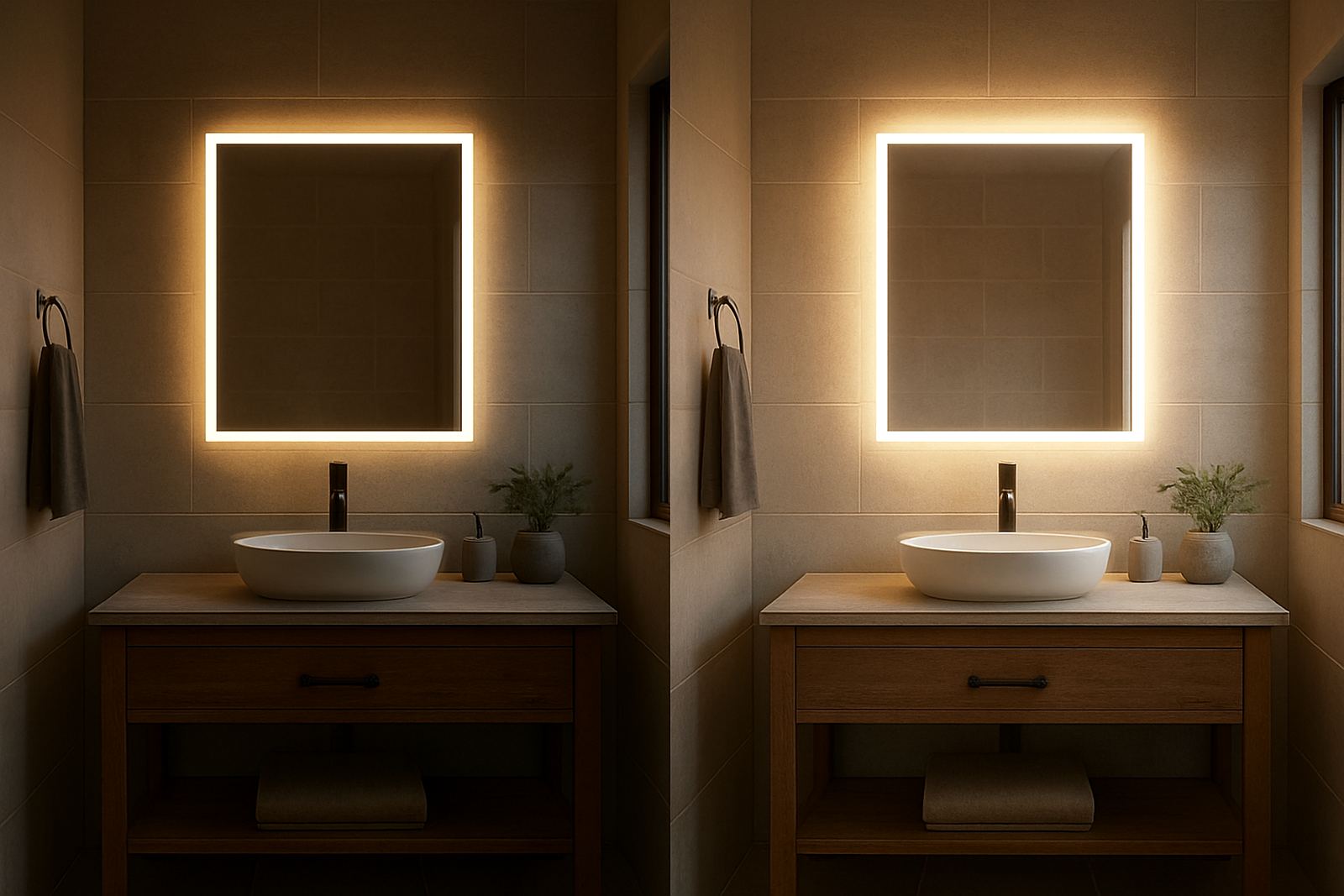
In a small bathroom, one ceiling fitting often leaves the room looking flat and shadowed. The problem becomes obvious at the basin, where shaving, makeup and face washing all need clear, even light. LED mirrors solve that by putting light where you actually use it, not only in the middle of the ceiling.
When the light source sits around the mirror edge or behind the glass, it spreads across the face and basin area much more evenly. That makes a compact room feel calmer and less cluttered. In a Pinetown flat or a townhouse in Durban North, that extra light can change the whole feel of the room without taking up a single extra metre.
Choose mirror lighting that works with your room size
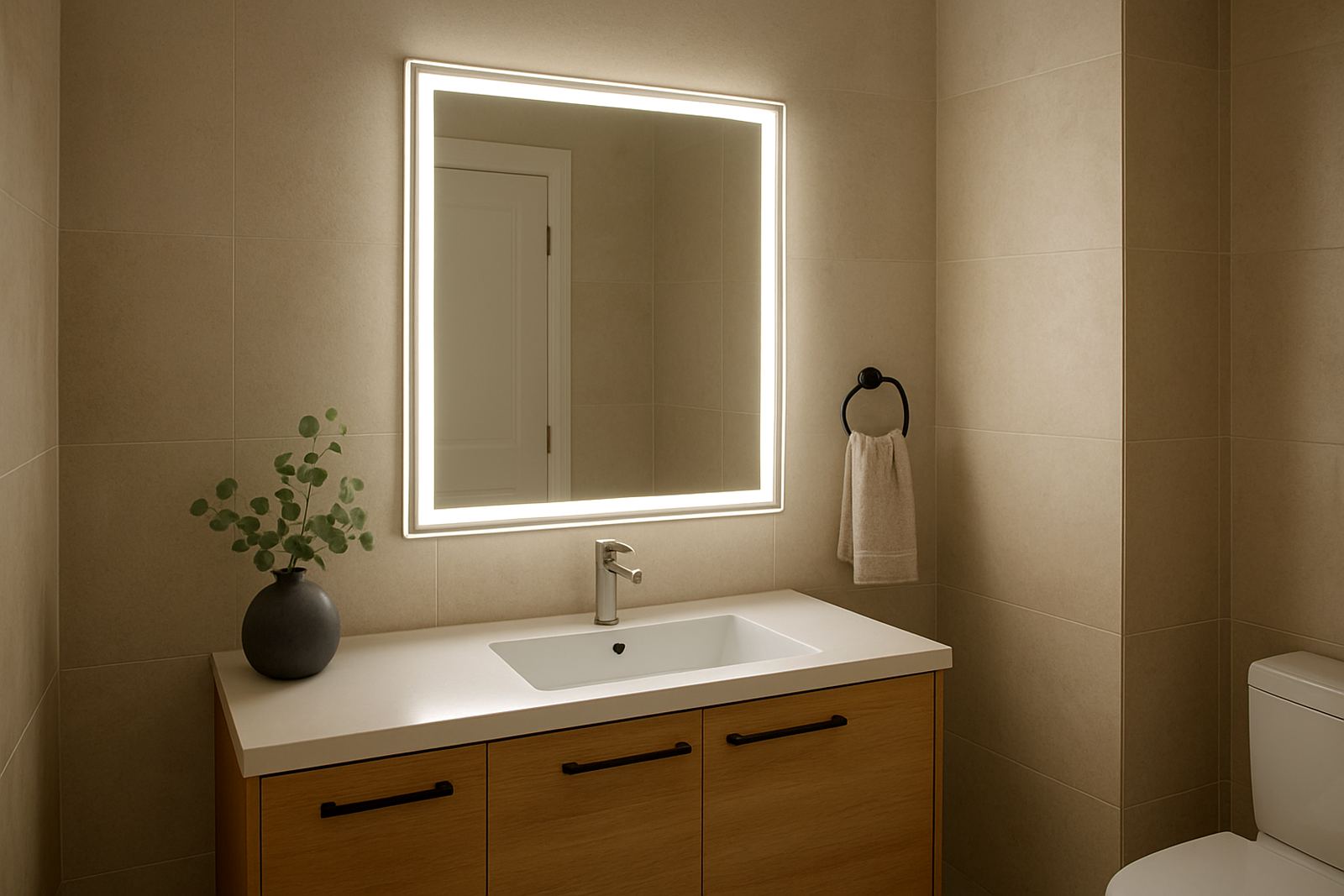
The best mirror for a small bathroom is not always the biggest one. Proportion matters. A mirror that is too wide can crowd fittings, while one that is too small may not throw enough light across the basin. The sweet spot is usually a shape that lines up with the vanity width and leaves a neat border on each side.
- For narrow basins, a vertical mirror can help the room feel taller.
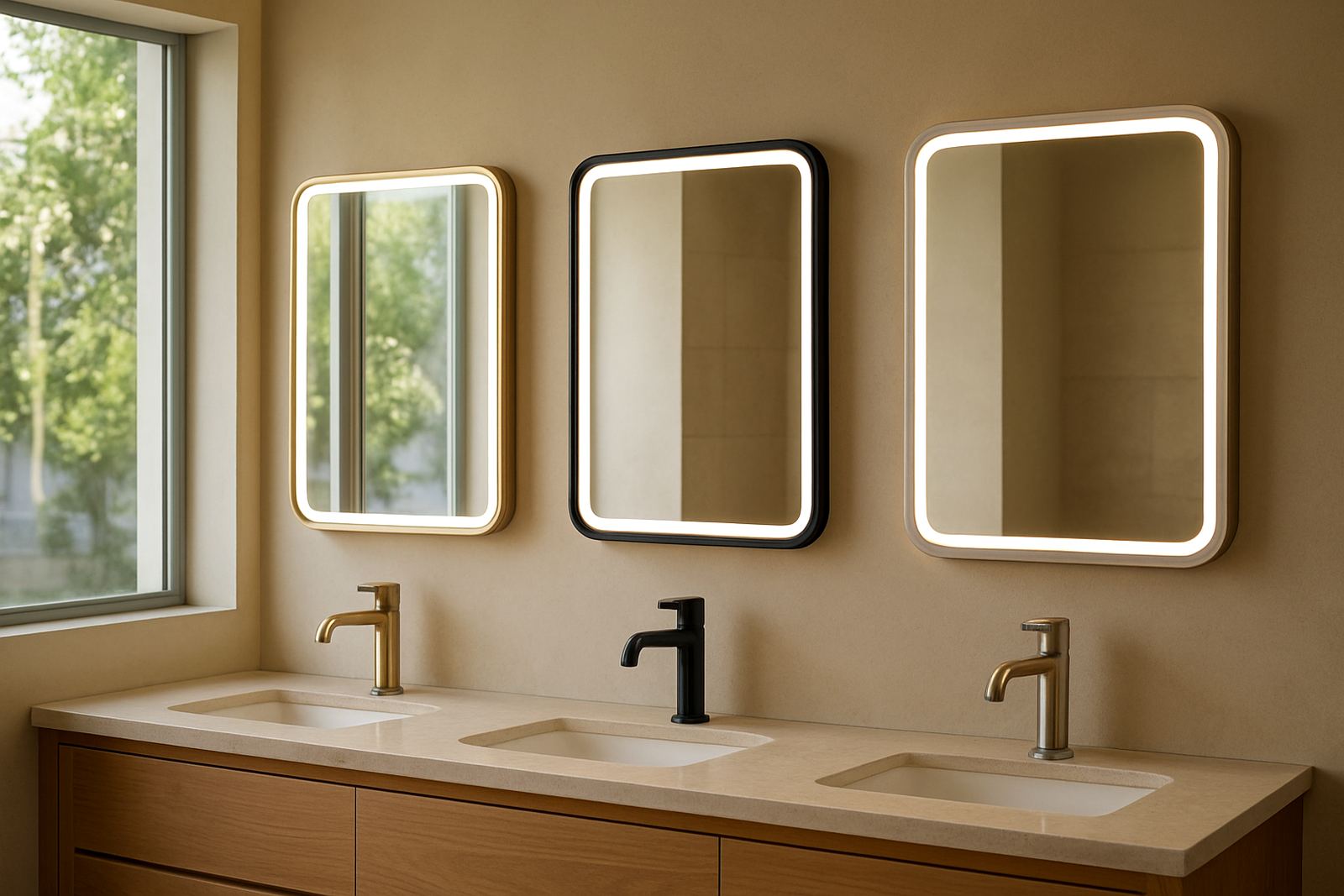
- For double vanities, two smaller lit mirrors can work better than one large panel.
- For guest bathrooms, a clean rectangular mirror keeps the wall looking ordered.
- For family bathrooms, a mirror with clear side lighting can help reduce morning bottlenecks.
In coastal areas like Umhlanga and Ballito, it also helps to choose a finish that handles humidity well. Bathrooms with limited ventilation need materials and fittings that can cope with moisture day after day.
Use LED mirrors to make the room feel bigger
Light can change how a room is read. A bright mirror reflects more of the room and draws the eye outward, which helps a small bathroom feel more open. This is especially useful where there is little natural light or where the window is frosted for privacy. The mirror becomes part of the room’s lighting plan instead of just a reflective surface.
To get that effect, aim for a simple layout. Keep the area around the mirror clear and avoid heavy storage right above the basin. If possible, use pale wall finishes, lighter tiles and a mirror with a clean edge. In older homes around Westville and Hillcrest, that combination can freshen a bathroom without a full renovation, and the room does not need to feel boxed in.
Practical features that matter during load-shedding
In South Africa, bathroom lighting has to cope with load-shedding as well as daily use. A good LED mirror gives you dependable brightness, and it uses far less power than many older fittings. That matters when you want useful light early in the morning or after dark without overloading a small circuit.
Useful features to look for include:
- Clear, evenly distributed light for grooming
- Demister support to reduce fog after hot showers
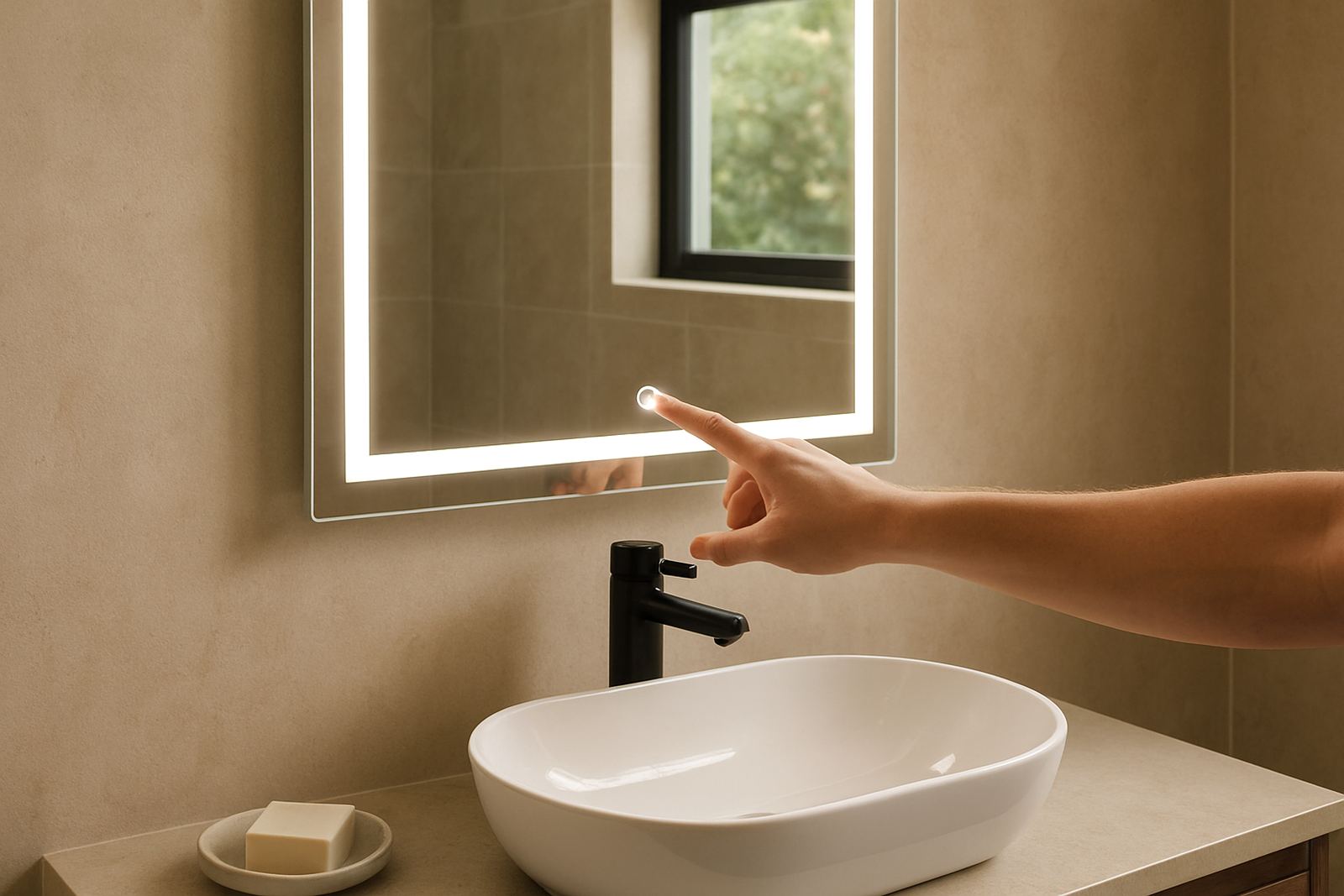
- Touch or wall-switch control that is simple to use
- Well-sealed electrical components for bathroom conditions
- A finish that is easy to wipe down and keep clean
If the bathroom is being upgraded during a reno, it is worth checking the existing wiring before choosing the mirror. That saves time later and helps the installation match the room safely and neatly.
A Durban example: making a Pinetown bathroom feel less cramped
We often see this in smaller homes around Pinetown and the greater Durban area. A homeowner has a compact bathroom with a basic basin, a narrow wall cabinet and a single globe fitting. The room works, but it feels tight and dim, especially on rainy mornings. After fitting a lit mirror sized to the vanity, the basin area becomes brighter and the wall looks cleaner immediately.
That sort of update is popular because it does not need major building work. Site measurements help get the size right, and careful mirror installation means the light sits square over the vanity. For bathrooms with older finishes, a mirror replacement can be paired with minor vanity upgrades so the room feels better planned, not just brighter.
Getting the details right before installation
Small bathrooms leave very little room for error, so the prep is important. Measure the wall space, basin position, switch location and any tiled edges before ordering. If the mirror is going above a vanity unit, check that there is enough height for comfortable use without bumping taps or wall lights. The electrical connection should also suit the room layout, because messy cabling can spoil a neat finish.
- Measure the wall width, basin height and ceiling height carefully
- Check for splash zones near showers and basins
- Confirm power points and switch positions before fitting
- Allow for access if the mirror needs future servicing
- Plan the mirror with any cabinet, shelf or tile pattern in mind
For homeowners, interior designers and project teams, getting those details sorted early keeps the job moving. It also means the final result feels built for the room, not forced into it.